
🗣️ How to Pronounce Ravine
- Pronounced as “ra-VEEN.”
- Emphasis on the second syllable.
- Commonly pronounced with a soft “r.”
- “Ruh-veen” – alternate simple pronunciation guide.
- Pronunciation used in American English: /rəˈviːn/.
- Pronunciation used in British English: /ræˈviːn/.
- Can be used in conversation to describe deep valleys.
- Helpful for ESL learners to practice syllable stress.
- Audio pronunciation available in online dictionaries.
- Rhymes with words like “marine” or “serene.”
🇮🇷 Ravine Meaning in Farsi
- دره عمیق – meaning “deep valley.”
- گودی طبیعی زمین – natural hollow in the land.
- شکاف زمین – land fissure or chasm.
- دره باریک – narrow valley between hills.
- منطقه ناهموار – rugged terrain area.
- مسیر جریان آب – stream or river path in a ravine.
- شکاف عمیق – deep crack in land.
- دره سنگی – rocky ravine.
- جایگاه طبیعی حیوانات – habitat for wildlife.
- زمین فرسایش یافته – eroded land formation.
📖 Ravine Meaning in English
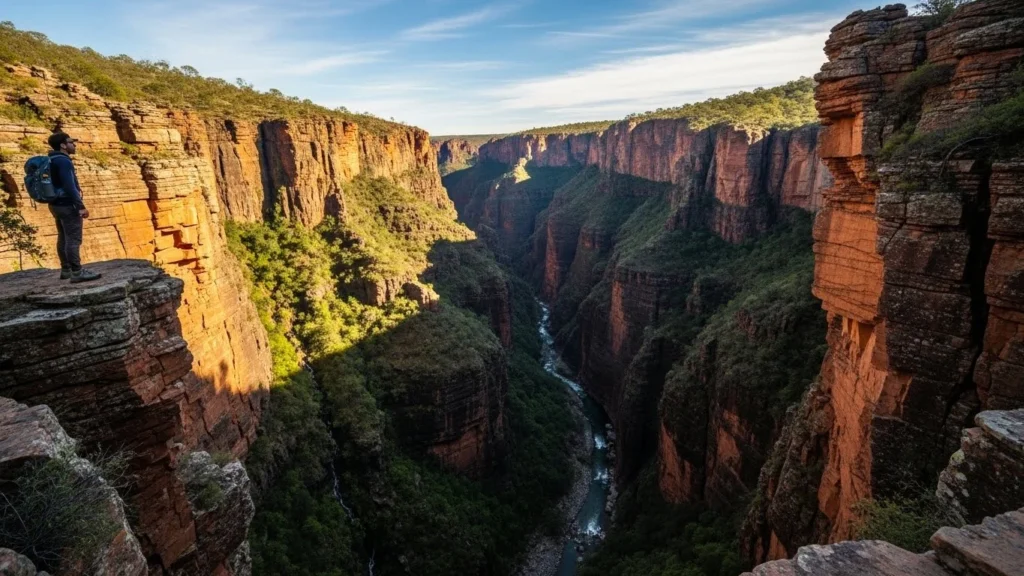
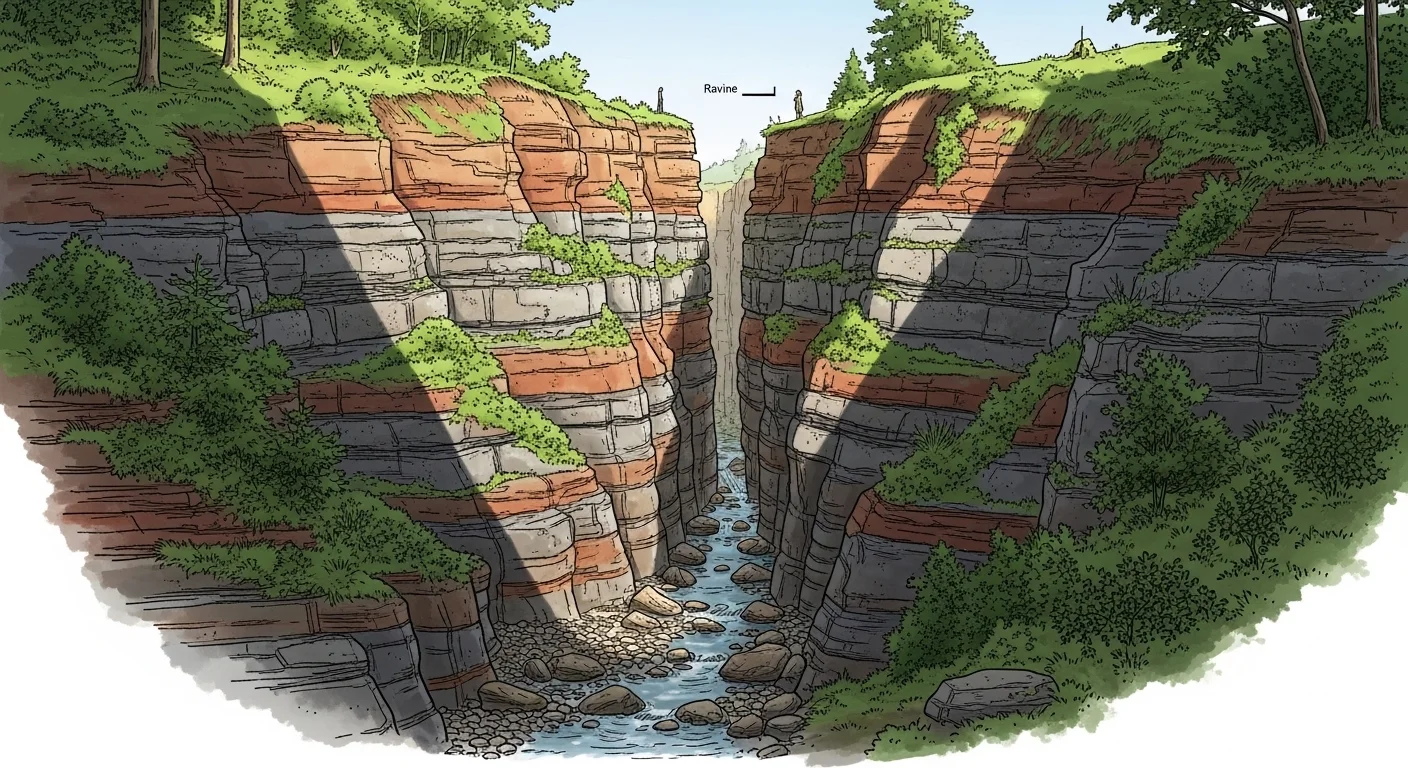
- A deep, narrow valley with steep sides.
- Formed by water erosion over time.
- Can have streams or small rivers flowing through.
- Often found in mountainous or hilly areas.
- Similar to a gorge or canyon but smaller.
- Provides natural habitats for plants and animals.
- Used as a natural barrier in landscapes.
- Can be dry or contain seasonal water flow.
- Popular in hiking and nature exploration contexts.
- Found in geology and geography studies.
🧒 Ravine Meaning for Kids
- A deep hole or valley in the land.
- A big dip between hills or mountains.
- Can have water flowing at the bottom.
- Like a tiny canyon you can explore.
- Often filled with trees and plants.
- Animals sometimes live in ravines.
- A natural path where rainwater flows.
- Safe observation from above, not to climb dangerously.
- Found in playgrounds or parks as fun learning spots.
- Helps kids understand nature and landscapes.
🇨🇳 Ravine Meaning in Chinese
- 峡谷 (xiá gǔ) – meaning canyon or ravine.
- 深谷 (shēn gǔ) – deep valley.
- 山谷 (shān gǔ) – mountain valley.
- 狭谷 (xiá gǔ) – narrow ravine.
- 水流峡谷 – ravine with flowing water.
- 自然形成的沟 – naturally formed ditch.
- 陡峭的山谷 – steep valley.
- 动物栖息地 – habitat for wildlife.
- 地质特征 – geological feature.
- 地形低洼处 – low-lying terrain area.
🇪🇸 Ravine Meaning in Spanish
- Barranco – narrow ravine or gorge.
- Valle profundo – deep valley between hills.
- Cañada – small canyon-like formation.
- Hondonada – hollow or depression in land.
- Quebrada – cliff or steep valley.
- Desfiladero – narrow passage between rocks.
- Curso de agua – watercourse in a ravine.
- Área rocosa – rocky area forming a ravine.
- Hábitat natural – natural habitat for wildlife.
- Formación geológica – geological landform.
🖼️ Ravine Meaning Picture
- Illustration of a narrow valley with steep sides.
- Photographs showing water flowing at the bottom.
- Images highlighting rocky or forested ravines.
- Maps marking ravine formations in mountains.
- Diagrams for geography classes.
- Before-and-after erosion images forming ravines.
- Pictures showing seasonal water flow.
- Aerial views of ravines in natural parks.
- Drawings for kids showing animals in ravines.
- Minecraft or gaming-inspired visual representations.
🎮 Ravine Meaning Minecraft
- A natural deep fissure found in Minecraft worlds.
- Can be filled with lava or water at the bottom.
- Often contains valuable ores like iron and coal.
- Provides a shortcut or hazard for exploration.
- Surrounded by cliffs and steep walls.
- Can connect to cave systems.
- Useful for building adventure maps.
- Dangerous for unprepared players due to fall risk.
- Can spawn mobs in shaded areas.
- Important resource and exploration feature in the game.
What Does Ravine Meaning?
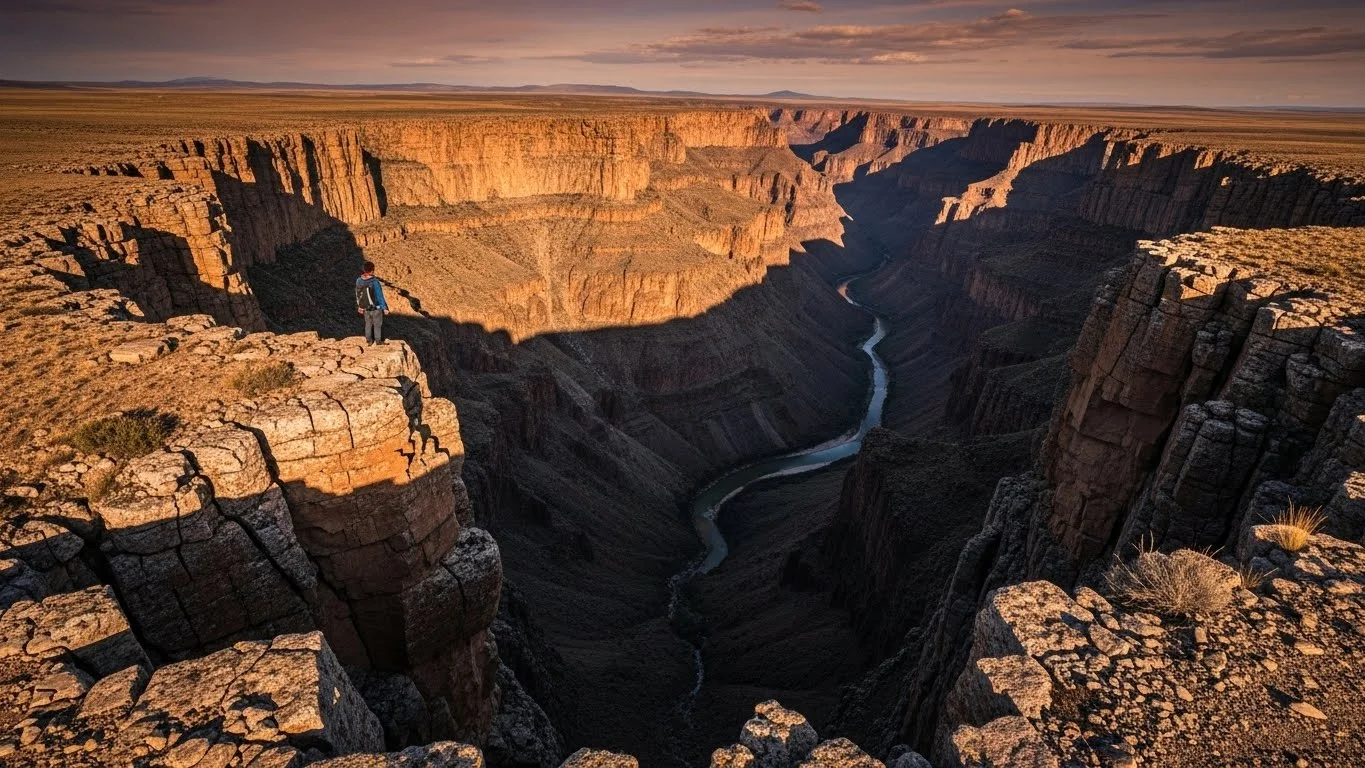
A ravine is a deep, narrow valley or gorge usually formed by water erosion.
In simple words:
A ravine is a small but steep valley in the ground, often created by a river or heavy rainfall.
Example:
“The hikers carefully walked along the edge of the ravine.”
Meaning: They were walking near a steep, narrow valley.
Formation of Ravines
Ravines usually form over time through natural processes:
-
Water erosion: Flowing rivers or streams cut deep into the soil or rock
-
Rainfall and runoff: Heavy rain washes soil away, deepening the valley
-
Weathering: Wind and temperature changes gradually wear down rocks
-
Landslides: Soil and rocks may collapse, shaping the ravine further
Ravines are often smaller than canyons but larger than gullies.
Characteristics of a Ravine
Ravines typically have:
-
Steep sides that can be rocky or covered in vegetation
-
Narrow width compared to large valleys or canyons
-
Flowing water in many cases, forming streams or small rivers
-
Rough terrain that can be dangerous for hikers
They are often scenic but require caution when exploring.
Ravine in Geography and Nature
In geography, ravines are:
-
Indicators of erosion and natural land changes
-
Important for local ecosystems, providing habitats for plants and animals
-
Sometimes used for hiking trails or adventure sports
Ravines play a role in shaping landscapes and supporting biodiversity.
Real-Life Examples of Ravine
-
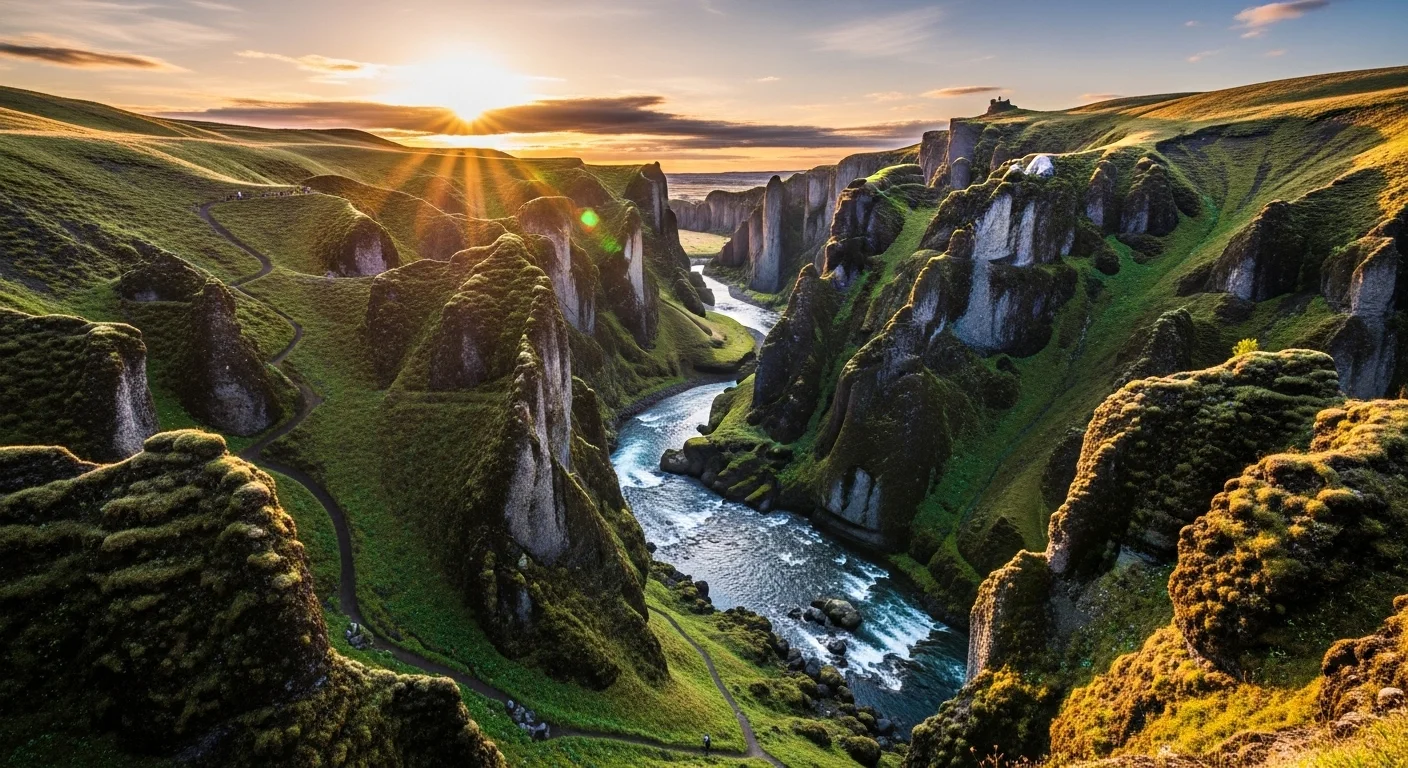
“The train passed through a deep ravine carved by the river over centuries.”
Meaning: The river eroded the land to form a steep, narrow valley. -
“Wildflowers grew along the sides of the ravine.”
Meaning: Plants thrive in the unique terrain of the ravine. -
“The hikers had to climb down the ravine carefully.”
Meaning: They navigated a steep and narrow valley safely.
Common Misunderstandings
People often misunderstand ravine because:
-
They confuse it with a canyon (ravines are smaller and narrower)
-
They assume it’s flat or safe to walk across (ravines are steep)
-
They think it always has a river (some ravines are dry)
Clarification:
A ravine is a steep, narrow valley, which may or may not contain water.
Related Words and Concepts
Words often linked to ravine include:
-
Gorge – A narrow valley with steep rocky sides
-
Canyon – A large, deep valley, usually bigger than a ravine
-
Gully – A small channel formed by water erosion
-
Valley – A low area between hills or mountains
-
Ravine ecosystem – Plants and animals living in ravine environments
These help understand different types of landforms and their features.