
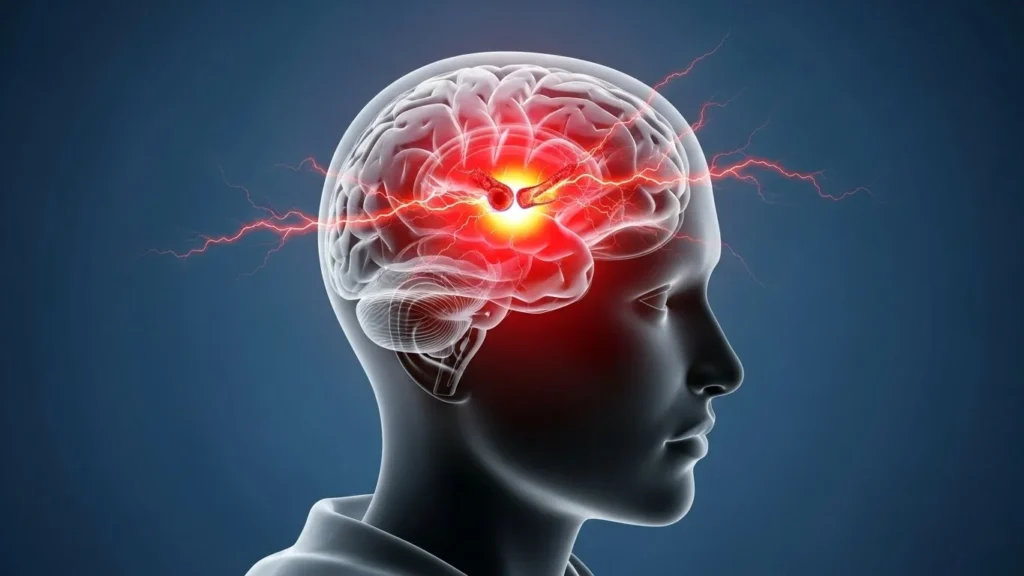

What Apoplexy Means in Simple Words
Apoplexy means a sudden and serious physical or emotional collapse.
Example: “He nearly fell into apoplexy when he heard the shocking news.”
Basic Definition of Apoplexy
At its core, apoplexy refers to:
A sudden medical event, often related to the brain
Or an extreme emotional reaction, such as rage or shock
A condition that happens quickly and unexpectedly
Apoplexy Meaning in Medical Terms
In medicine, apoplexy traditionally refers to:
Sudden bleeding in the brain
Loss of consciousness or paralysis
A condition now commonly known as a stroke
The term is less used in modern medical diagnosis but still appears in historical or descriptive contexts.
Apoplexy Meaning in Modern Medicine
Today, doctors usually replace the word apoplexy with:
Stroke
Cerebral hemorrhage
Brain injury
However, apoplexy may still appear in medical literature or historical references.
Apoplexy Meaning in Emotional Contexts
Outside medicine, apoplexy often describes:
Extreme anger
Shock or outrage
Sudden emotional overwhelm
Example: “The manager was apoplectic with anger over the mistake.”
Apoplexy Meaning in Daily Language
In everyday speech, apoplexy is often used figuratively, not medically. It emphasizes how strong a reaction is.
Example: “The news sent her into apoplexy.”
Apoplexy Meaning in Literature
Writers use apoplexy to:
Add drama or intensity
Describe extreme emotional states
Emphasize sudden change or shock
It is often used to describe characters overwhelmed by emotion.
Common Misunderstandings About Apoplexy
Some think it only means anger – it also has medical origins
Others believe it’s outdated – it is still used metaphorically today
Some confuse it with panic – apoplexy implies sudden and severe reaction
Apoplexy Meaning in Historical Usage
Historically, apoplexy was used to describe:
Sudden death or collapse
Unexplained loss of consciousness
Brain-related medical emergencies
Before modern medicine, it was a broad term for strokes.
Apoplexy Meaning in Modern Usage
In 2026, apoplexy is most often used:
Figuratively to describe anger or shock
In historical or literary discussions
Occasionally in medical descriptions
How to Recognize Apoplexy in Context
Sudden physical collapse or paralysis
Extreme emotional outburst
Use of dramatic or formal language
Differences Between Apoplexy and Stroke
Apoplexy is an older, broader term
Stroke is the modern medical diagnosis
Apoplexy can be medical or emotional, stroke is medical only
Why the Word Apoplexy Still Matters
Helps understand historical texts
Adds expressive power to language
Explains older medical references
Apoplexy Meaning in Formal Writing
Apoplexy is often used in:
Academic writing
Literature analysis
Historical medical discussions
It adds seriousness and intensity to descriptions.
How to Use Apoplexy Correctly in Sentences
Examples:
“The sudden shock left him in a state of apoplexy.”
“In earlier times, strokes were often called apoplexy.”
“She reacted with near apoplexy when she heard the accusation.”