

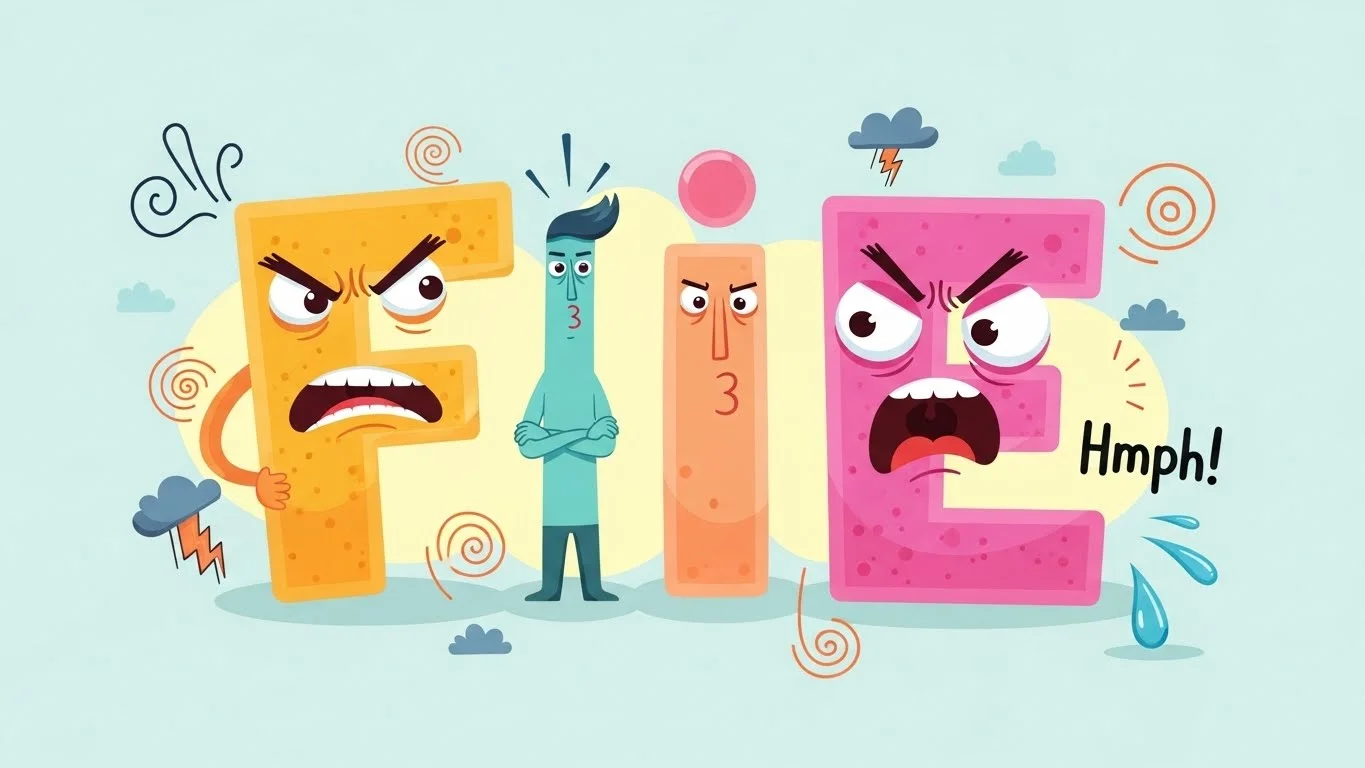
What Does “Fie” Mean?
Fie is an exclamation of disapproval, disgust, or outrage. It is used to express strong disapproval toward someone’s actions or behavior.
Example: “Fie on you, coward!”
It is similar to saying “shame on you” or “nonsense!”
Different Contexts
Historical/Literary: Used in Shakespearean plays or classic literature to show anger or moral judgment.
Modern/Playful: Occasionally used humorously online or in memes to imitate old-fashioned speech.
Origin of the Word
Comes from Middle English “fie”, derived from Old French “fi,” expressing disgust or rejection.
Popularized in Shakespearean and Renaissance English.
Rarely used in everyday modern conversation, mostly found in literature, theater, or stylized writing.
How People Use “Fie meaning” in Modern Context
Platforms
Literature discussions: Identifying expressions in Shakespeare or classic novels
Social media memes: Playful, dramatic exaggeration
Gaming or roleplay: Medieval or fantasy-themed chats
Tone
Dramatic, humorous, or playful
Not typically serious in casual conversations today
Real-Life Examples of “Fie”
Literary example: “Fie, how dare you betray your friend!”
Playful modern usage: “Fie on all my missing socks!”
Roleplay: “Fie, villain! You shall not pass!”
Each shows exaggerated disapproval or dramatic flair, consistent with the word’s historic usage.
Common Mistakes & Misunderstandings
Confusing it with modern slang words—fie is formal or literary, not casual slang.
Mispronouncing: It’s pronounced “fye” (rhymes with “tie”).
Overusing it outside of humorous, dramatic, or literary contexts can seem odd.
Related Words & Expressions
Pshaw: Another old-fashioned exclamation of disbelief
Tut-tut: Expressing mild disapproval
Shame on you: Modern equivalent for moral judgment
Nay/Nonsense: Similar expressions of rejection
Why Understanding “Fie” Matters
Enhances comprehension of classic literature and Shakespeare
Useful in historical, fantasy, or roleplay contexts
Adds dramatic flair or humor in modern memes or writing