
What Does “Annulled” in Chat or Text?
Annulled is the past tense of the verb “annul” and generally means:
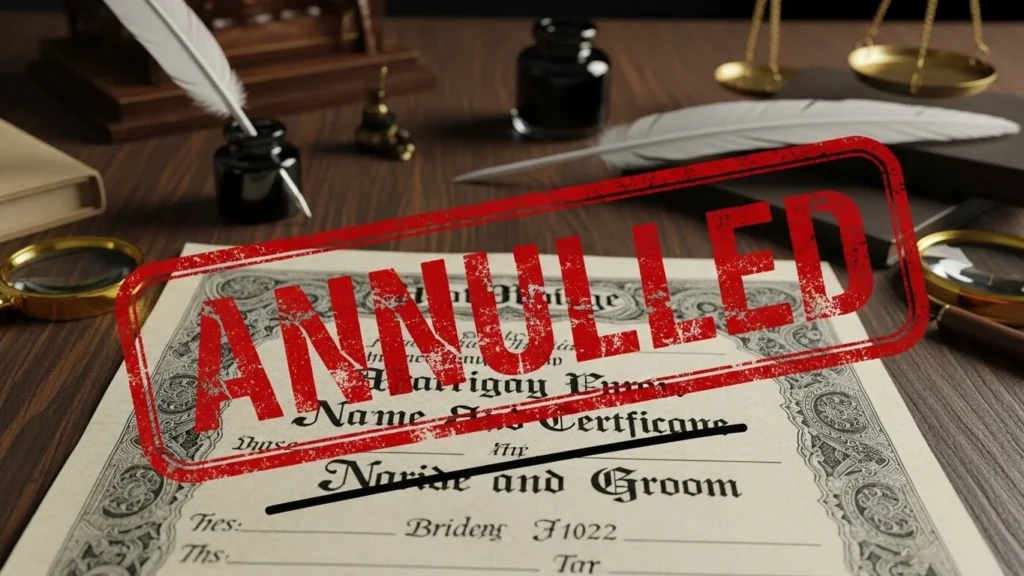
To officially declare something invalid or void, as if it never existed.
Example: “Their marriage was annulled by the court.”
In legal terms: Cancelling contracts, agreements, or marriages with official authority.
In casual conversation: Sometimes used metaphorically to indicate canceling or wiping out plans or decisions.
Origin & History
The word annulled comes from the Latin “annullare”, meaning “to make nothing” or “to invalidate.” Historically, it has been most associated with legal and religious contexts, particularly regarding marriages and formal contracts.
How People Use “Annulled Meaning” in Real Conversations
Even outside legal documents, annulled occasionally appears in everyday chat or online discussions.
Platforms
Texting & Messaging Apps: “Our plans got annulled because of the storm.”
Social Media: News about annulled marriages, contracts, or decisions often appear online.
Forums & Discord: Discussions about law, relationships, or organizational decisions may include the term.
Professional Contexts: Legal or administrative discussions about contracts, agreements, or marriages.
Appropriate vs Awkward
Appropriate: Talking about legal, formal, or serious cancellations.
Awkward: Using “annulled” casually for minor issues like canceled dinner plans—it can sound overly formal.
Real-Life Examples of “Annulled” in Text Messages
Here are some relatable examples showing how “annulled” appears in conversations:
Friend A: “Did you hear about Emma and Jake?”
Friend B: “Yeah, their marriage was annulled last week.”Work Chat:
Colleague 1: “The contract we signed last month got annulled.”
Colleague 2: “That’s going to cause some problems with the project.”Casual Chat:
User 1: “Our weekend getaway was annulled due to bad weather.”
User 2: “Bummer! Maybe next time.”
These examples show both legal and metaphorical uses of “annulled.”
Common Mistakes & Misunderstandings
Even experienced speakers and writers sometimes misuse annulled:
Confusing it with “canceled”: Annulled implies something is legally or formally invalid, not just canceled temporarily.
Overusing in casual chat: Using it for minor events can sound overly formal or dramatic.
Mispronunciation or spelling errors: Common mistakes include “anulled” or “annulledt.”
Mixing contexts: Using “annulled” for informal promises without clarity may confuse listeners.
Related Words & Concepts
Understanding related terms helps clarify usage:
Void: Legally null and without effect.
Canceled: General term for calling off something, less formal than annulled.
Rescinded: Officially revoked or reversed.
Repealed: Commonly used for laws or regulations.
Invalidated: Declared legally or formally ineffective.