
What Does “Banzai” Meanimg?
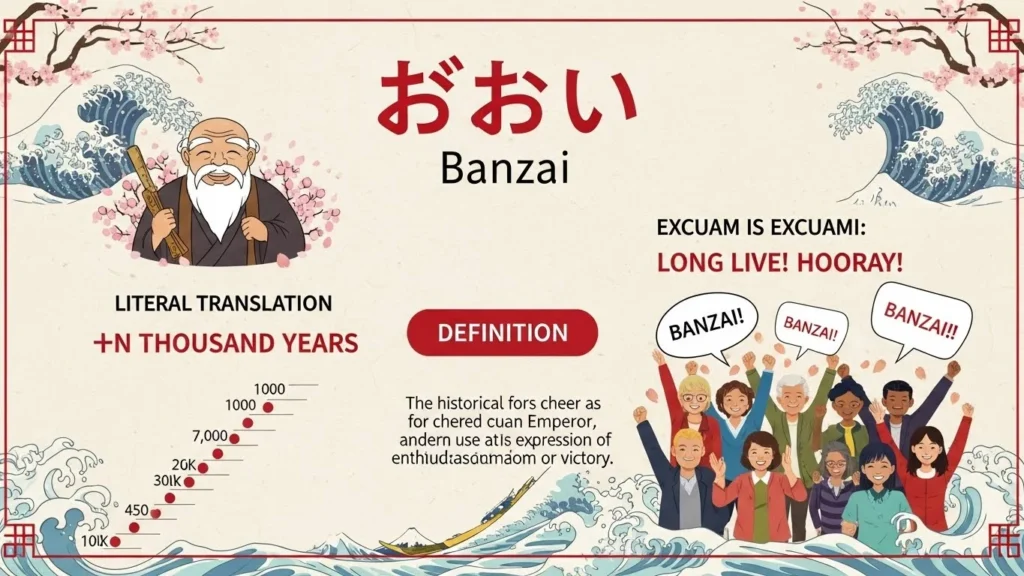
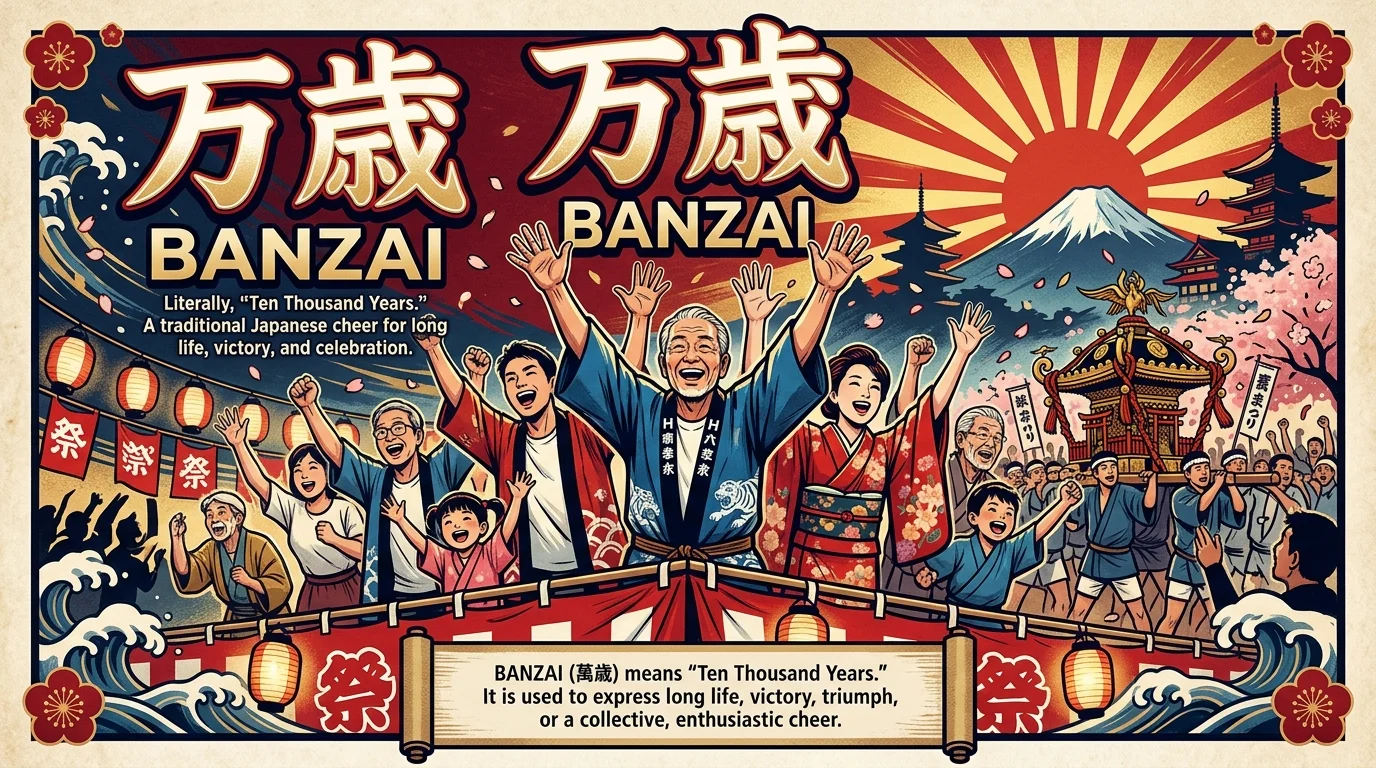
Banzai is a Japanese exclamation that literally means “ten thousand years.” In modern usage, it expresses:
Celebration
Victory
Joy or excitement
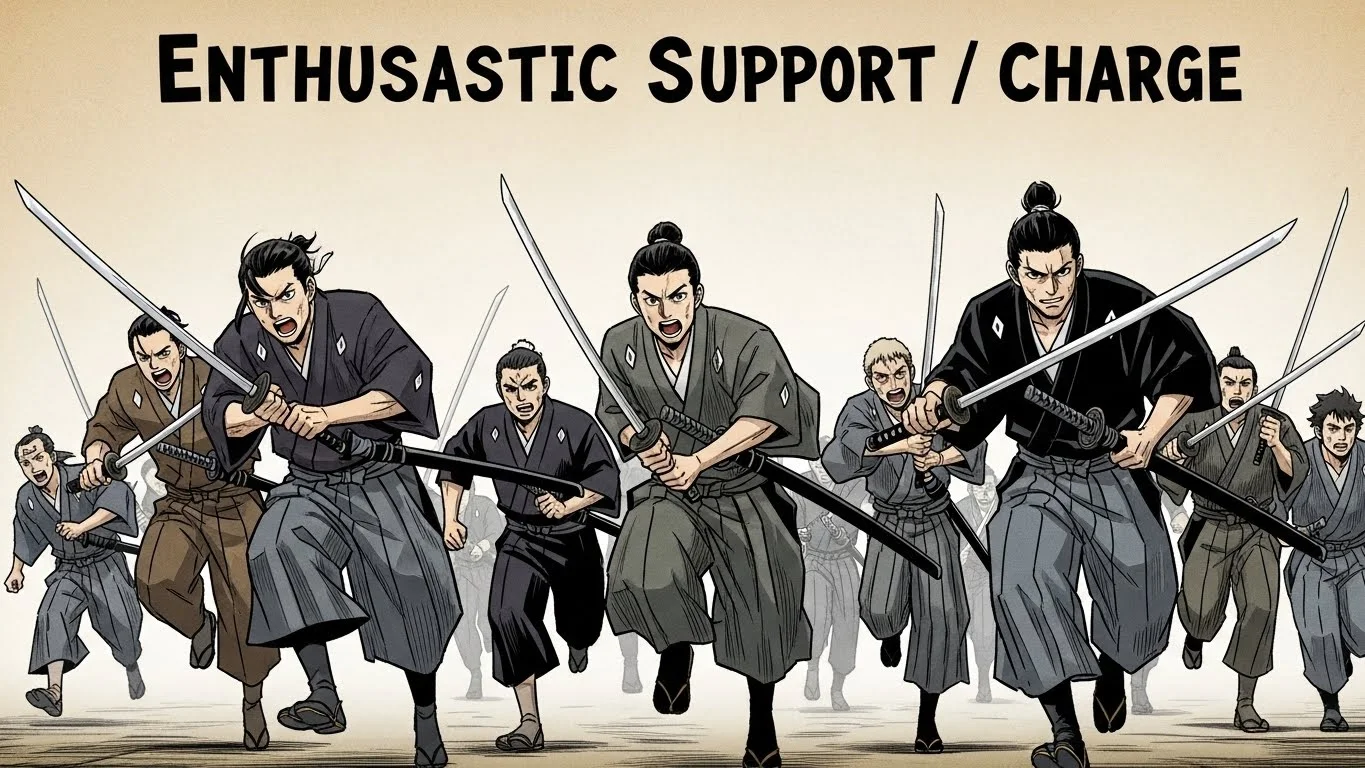
Strong support or enthusiasm
In simple terms, shouting banzai is similar to saying “hooray,” “long live,” or “cheers!”
Origin of the Word Banzai
The term banzai (万歳) comes from Chinese and Japanese traditions:
Man (万): Ten thousand
Sai (歳): Years
Historically, it was used to wish someone a long life, especially emperors or leaders. Over time, it became a celebratory chant used during important events, ceremonies, and victories.
Banzai Meaning in Japanese Culture
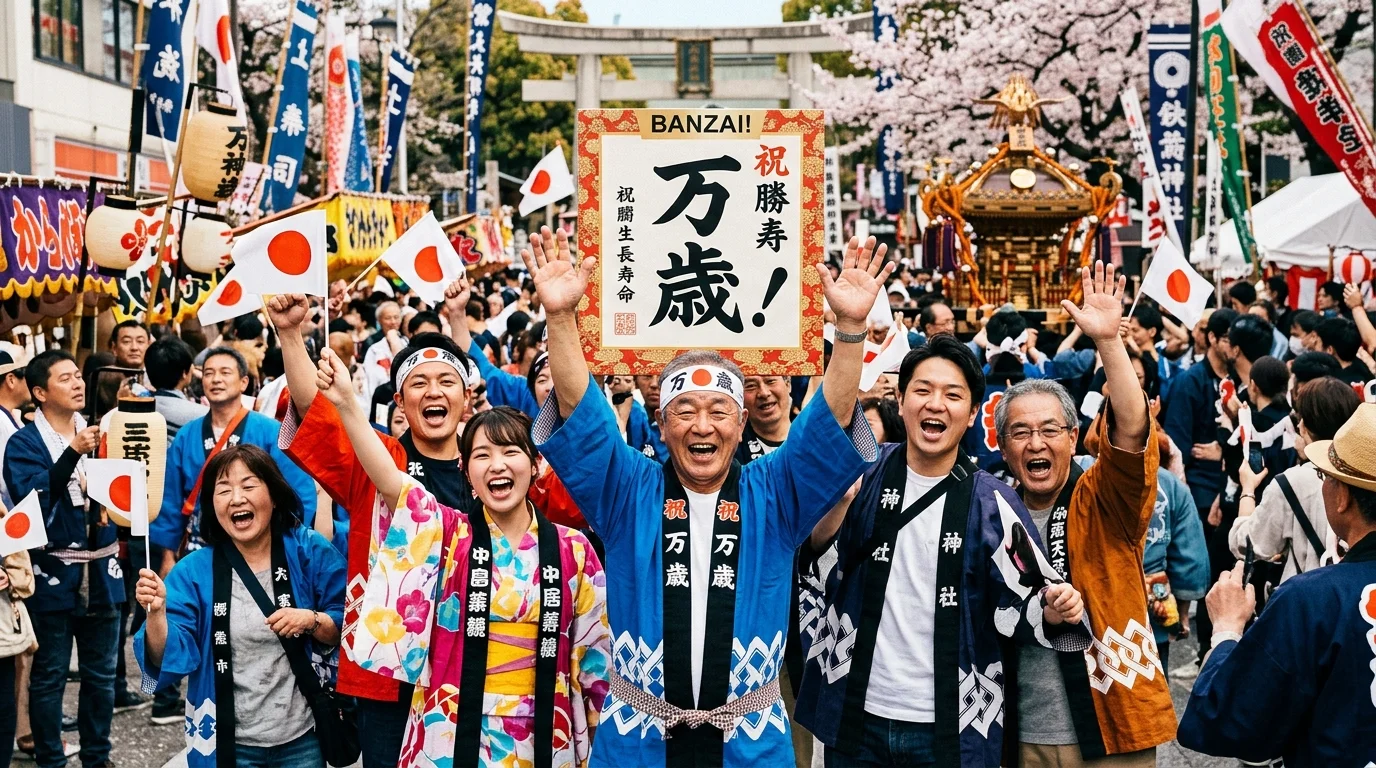
In Japan, banzai is still used today in positive, respectful ways:
At weddings or celebrations
After successful business deals
During sports victories
At the end of group achievements, often with raised arms
It’s usually shouted three times as part of a group celebration.
Banzai Meaning in Modern Media and Pop Culture
Outside Japan, banzai appears frequently in:
Movies and TV shows (often historical or war-related)
Anime and manga
Video games
Internet memes and jokes
In modern slang or casual use, banzai often just means excitement or playful enthusiasm, without deep cultural intent.
Common Mistakes and Misunderstandings
People sometimes misunderstand banzai because of its strong emotional tone:
Associating it only with war: While historically used in military contexts, its core meaning is celebratory
Using it sarcastically in serious settings: Can feel disrespectful if used incorrectly
Assuming it’s aggressive: In most cases, it’s joyful and positive
Tip: When in doubt, use banzai only in lighthearted or celebratory situations.
Similar Words and Expressions
If you’re looking for alternatives or related expressions, here are a few:
Hooray: English celebration shout
Cheers: Celebration or toast
Long live: Formal celebratory phrase
Bravo: Praise for achievement
Victory chant: Group expressions of success
These carry similar emotional energy depending on the context.