
What Civil Rights Mean in Simple Words
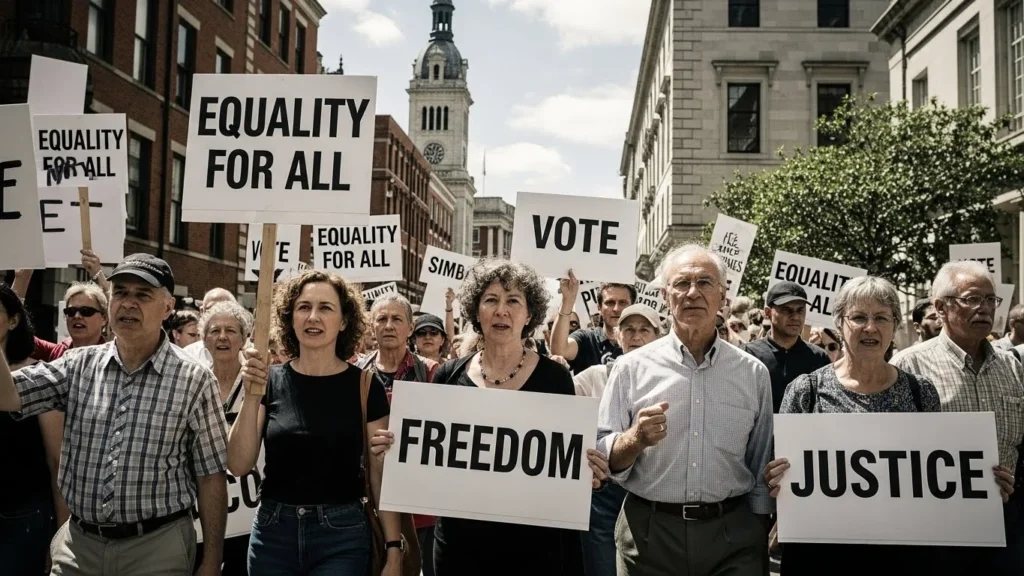
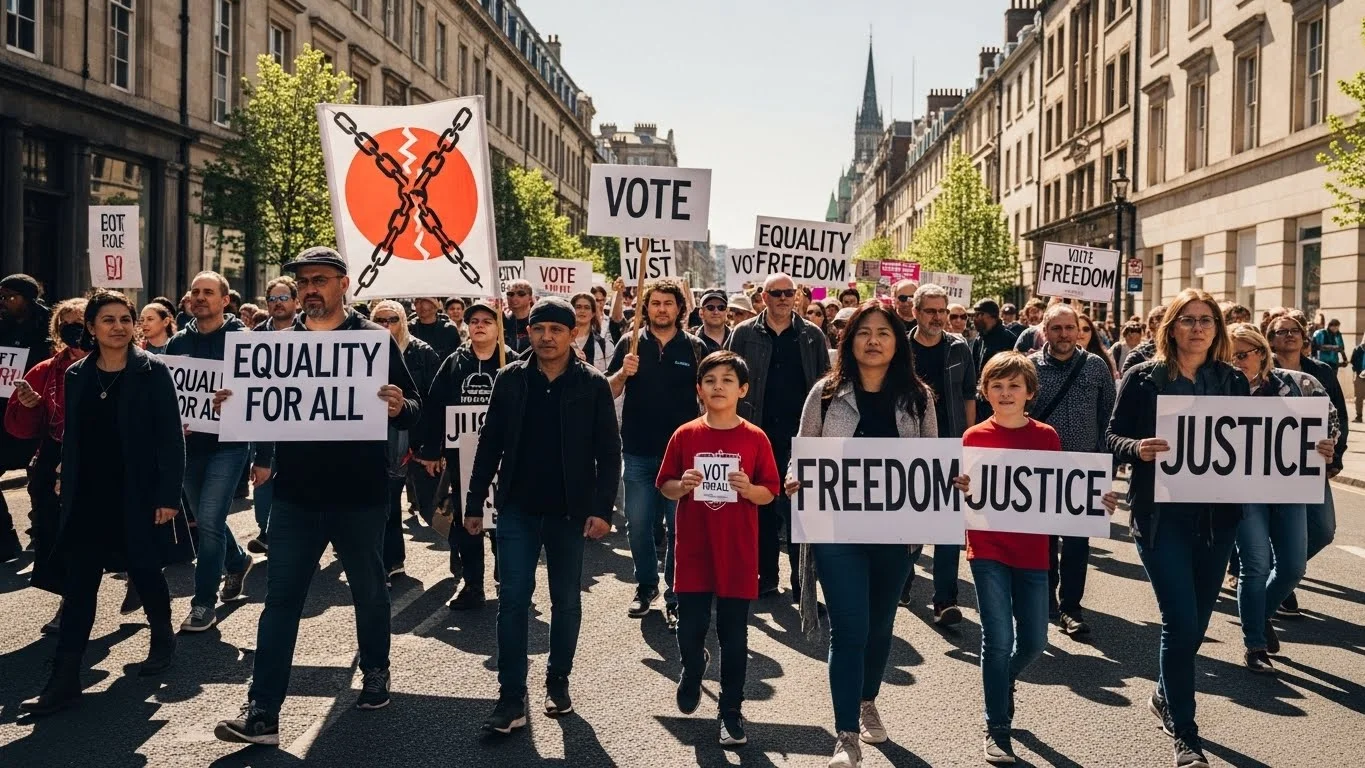
Civil rights are basic freedoms and protections that allow people to live fairly and safely in society. They ensure that individuals are treated equally and protected from unfair treatment.
Basic Definition of Civil Rights
The civil rights meaning refers to the rights that protect people from discrimination and injustice. These rights help ensure fairness in daily life, public spaces, and institutions.
Civil Rights Meaning in Daily Life
In daily life, civil rights affect how people are treated at work, in schools, and in public places. They support fair treatment and protect personal dignity.
Civil Rights Meaning in Society
In society, civil rights help create equal opportunities and social balance. They guide how institutions interact with individuals and communities.
Civil Rights Meaning in Law
In legal terms, civil rights are protections enforced by laws. These laws exist to prevent unfair treatment and to support justice for everyone.
Civil Rights Meaning in Equality
Civil rights are closely linked to equality. They aim to ensure that everyone receives the same legal protections and opportunities, regardless of background.
Civil Rights Meaning in Freedom
Civil rights support personal freedom by protecting individual expression, movement, and participation in society within lawful boundaries.
Civil Rights Meaning in Education
In education, civil rights promote fair access and respectful treatment. They help create learning environments where individuals feel safe and valued.
Civil Rights Meaning in the Workplace
In the workplace, civil rights protect people from unfair treatment. They encourage respectful environments and equal opportunity.
Civil Rights Meaning in Public Spaces
Civil rights influence how people are treated in public spaces. They help ensure access, safety, and dignity for everyone.
Civil Rights Meaning in Community Life
In communities, civil rights support peaceful coexistence and mutual respect. They help resolve conflicts fairly and encourage inclusion.
Civil Rights Meaning in Modern Usage
In modern language, civil rights often refer to ongoing efforts to maintain fairness and justice. The term remains relevant as societies evolve.
Civil Rights Meaning Compared to Human Rights
Civil rights usually focus on protections within a specific society, while human rights refer to broader moral principles that apply universally.
Emotional Importance of Civil Rights
Civil rights help people feel safe, respected, and valued. These protections support emotional well-being and social trust.
Civil Rights Meaning in Social Awareness
Understanding civil rights increases social awareness. It helps people recognize unfair treatment and respond thoughtfully.
Common Misunderstandings About Civil Rights
Some believe civil rights apply only in legal settings. In reality, they affect everyday interactions and opportunities.
Are Civil Rights Only Legal Concepts
No, civil rights are both legal and social. They shape laws, behavior, and cultural expectations.
How Context Shapes Civil Rights Meaning
The meaning of civil rights can change depending on context. In legal discussions, it feels formal. In daily life, it feels practical and personal.
Why Understanding Civil Rights Meaning Matters
Understanding the civil rights meaning helps people respect others, recognize fairness, and support balanced societies. Awareness leads to responsibility.
How Civil Rights Is Used in Sentences
Examples include:
“Civil rights protect individuals from unfair treatment.”
“Education plays a role in civil rights awareness.”
The term fits both formal and educational contexts.