

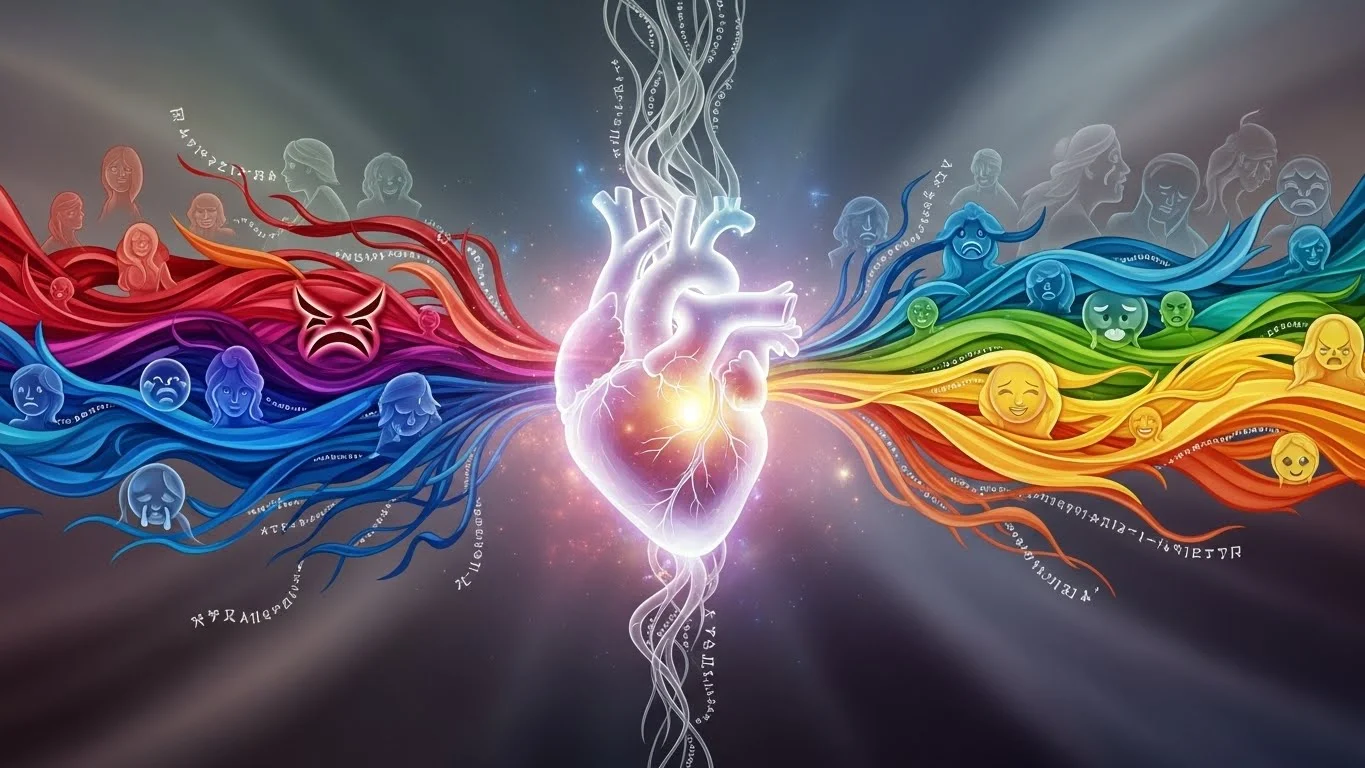
What Does Emotive Mean?
Emotive means related to emotions or showing strong feelings.
It describes words, actions, or expressions that are designed to create an emotional response in others.
Emotive Meaning in Simple Terms
In very simple language, emotive means:
Full of emotion
Expressing feelings
Causing emotional reactions
If something makes people feel happy, sad, angry, or excited, it can be called emotive.
Emotive in Everyday Language
People use emotive language daily without realizing it, such as:
Emotional stories
Passionate opinions
Strong personal reactions
Emotive words make communication more expressive.
Emotive Meaning in Writing
In writing, emotive language is used to:
Connect with readers
Create strong impressions
Make messages more powerful
Writers choose words that make readers feel, not just understand.
Emotive Language Explained
Emotive language includes:
Words with emotional weight
Descriptive phrases
Expressive tone
For example, “heartbreaking” sounds more emotive than “sad.”
Emotive vs Neutral Language
Emotive language: Expresses feelings
Neutral language: Sticks to facts
Both are useful, but emotive language adds emotion and impact.
Emotive Meaning in Daily Conversations
In daily life, emotive language appears when people:
Share personal experiences
Express strong opinions
React emotionally
Tone and word choice matter a lot.
Emotive in Media and Advertising
Advertisers use emotive language to:
Influence decisions
Create emotional connections
Encourage action
This helps messages feel more personal and engaging.
Emotive Meaning in Education
Teachers explain emotive language to help students:
Understand persuasive writing
Analyze speeches
Recognize emotional influence
It’s a key concept in language studies.
Emotive Words Examples
Common emotive words include:
Joyful
Painful
Terrifying
Heartwarming
Frustrating
These words instantly trigger feelings.
Emotive Meaning in Arguments
In arguments, emotive language can:
Strengthen opinions
Influence others
Increase emotional intensity
It can be effective but may reduce objectivity.
Emotive Expression in Art
Art often relies on emotive elements such as:
Color
Imagery
Sound
Storytelling
These elements aim to create emotional reactions.
Emotive Meaning in Social Media
On social platforms, emotive language is used to:
Get attention
Increase engagement
Express feelings quickly
Strong emotional words often spread faster online.
Emotive vs Emotional
Emotive: Causing emotion
Emotional: Feeling emotion
They are related but not exactly the same.
Common Misunderstandings About Emotive
Emotive does not mean illogical
Emotive is not always negative
Emotive language can be positive or negative
It simply relates to emotions.
When Emotive Language Is Useful
Emotive language works well when:
Telling stories
Persuading audiences
Expressing feelings clearly
It helps messages feel human.
When to Avoid Emotive Language
Avoid emotive language when:
Writing formal reports
Presenting scientific facts
Communicating professionally
Neutral language is better in these cases.
Emotive Meaning in Psychology
In psychology, emotive responses relate to:
Feelings
Emotional reactions
Personal experiences
Emotive behavior reflects inner emotions.
Emotive Meaning in Simple Sentences
Examples:
Her speech was very emotive.
The movie had an emotive ending.
He used emotive words to express anger.