
What HACCP Means in Simple Words
HACCP is a system used to ensure that food is safe to eat by preventing biological, chemical, and physical hazards.
Example: “The restaurant follows HACCP standards to ensure safe food preparation.”
Basic Definition of HACCP
At its core, HACCP refers to:
A preventive approach to food safety
Focuses on identifying hazards and controlling risks
Ensures food is safe for consumption
HACCP Meaning in Food Industry
In the food industry, HACCP is used to:
Monitor every stage of food production
Prevent contamination and foodborne illnesses
Comply with regulatory standards
Example: “Food factories implement HACCP to meet safety regulations and protect consumers.”
Principles of HACCP
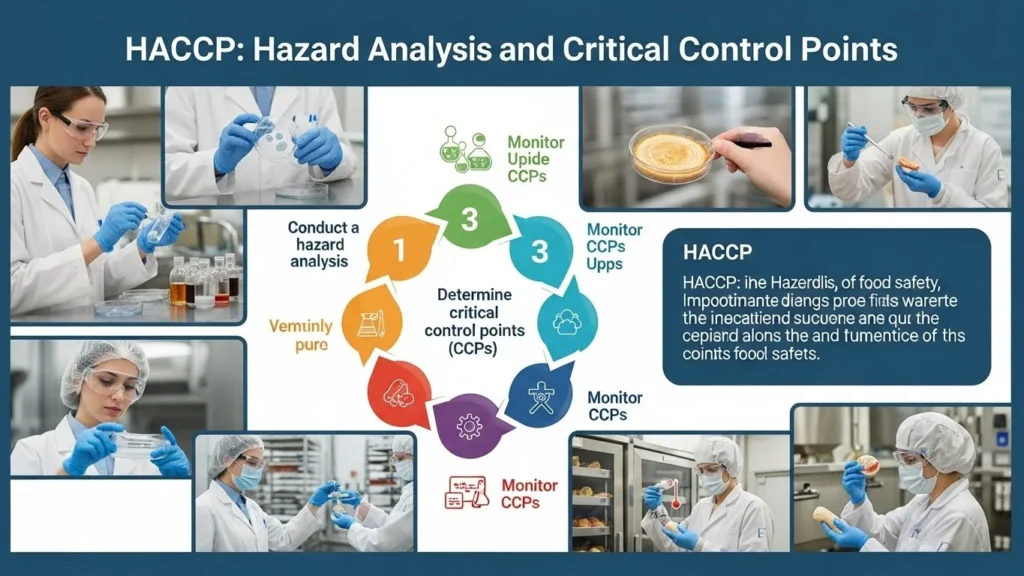
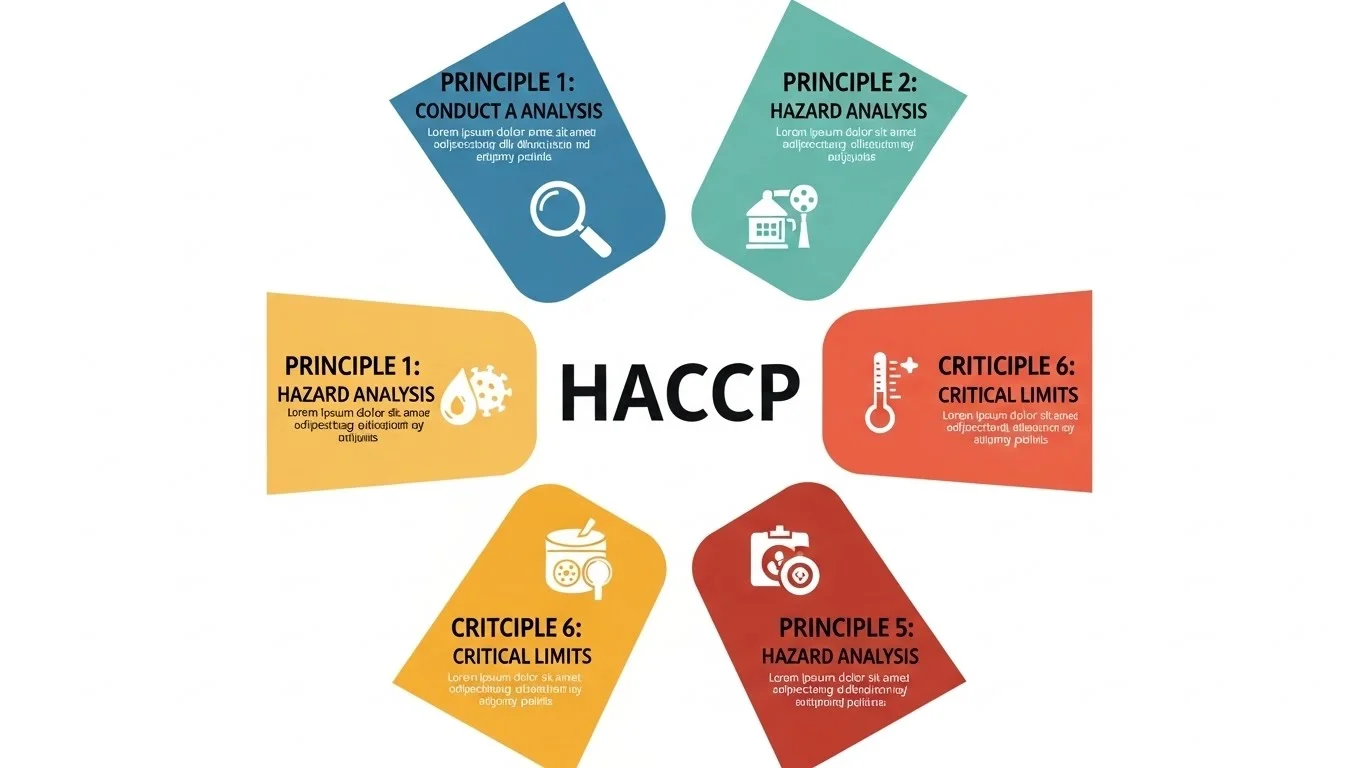
HACCP is based on seven principles:
Conduct a hazard analysis
Identify critical control points (CCPs)
Establish critical limits
Implement monitoring procedures
Take corrective actions
Verify the system
Keep records and documentation
HACCP Meaning in Daily Life
Even if you don’t work in food production, HACCP affects you:
Ensures restaurant meals are safe
Guarantees packaged food meets safety standards
Reduces risk of foodborne illnesses
HACCP Meaning in Businesses
For businesses, HACCP helps to:
Maintain customer trust
Avoid legal issues related to food safety
Ensure consistent product quality
Common Misunderstandings About HACCP
Some think HACCP guarantees zero risk – it reduces risk but cannot eliminate it completely
Others confuse HACCP with general hygiene – HACCP is a structured system beyond basic cleaning practices
HACCP Meaning in Regulations
Many countries require HACCP compliance for:
Food manufacturing plants
Restaurants and catering services
Exporting food products
It is recognized internationally as a food safety management standard.
HACCP Meaning in Certification
Companies can be HACCP-certified after demonstrating compliance
Certification improves credibility and consumer confidence
Often required for exporting or supplying food
HACCP Meaning in Risk Management
HACCP is a key tool for:
Identifying potential hazards
Preventing contamination
Reducing liability and financial loss
HACCP Meaning in Health
Protects consumers from foodborne pathogens
Reduces risk of chemical or physical contamination
Promotes safe food handling practices
How to Implement HACCP
Assemble a HACCP team
Analyze potential hazards
Determine critical control points
Set critical limits
Monitor and document processes
Verify and review system regularly
Benefits of HACCP
Ensures food safety and quality
Builds consumer trust
Reduces risk of food recalls
Enhances regulatory compliance
Promotes efficient food production
How to Use HACCP Correctly in Sentences
Examples:
“The factory achieved HACCP certification after a thorough audit.”
“Following HACCP principles ensures safe and high-quality food.”
“Restaurants are required to train staff in HACCP procedures.”