
What Helenium Means in Simple Words
Helenium is a type of flowering plant with vibrant, colorful blooms, often used in gardens to attract pollinators and add visual appeal.
Example: “The gardener planted helenium along the path to brighten the garden.”
Basic Definition of Helenium
At its core, helenium refers to:
A genus of flowering plants in the Asteraceae family
Native to North and Central America
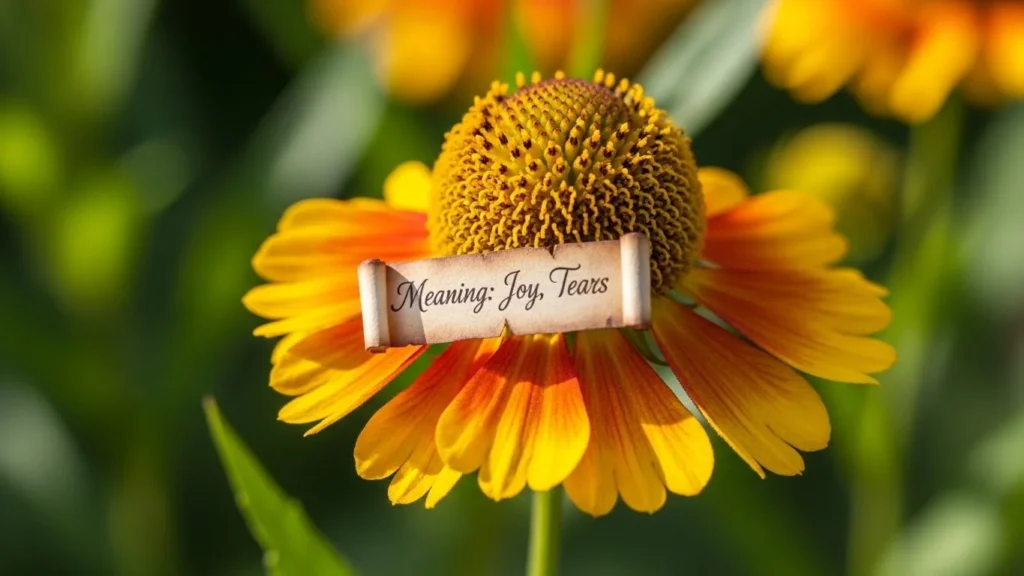
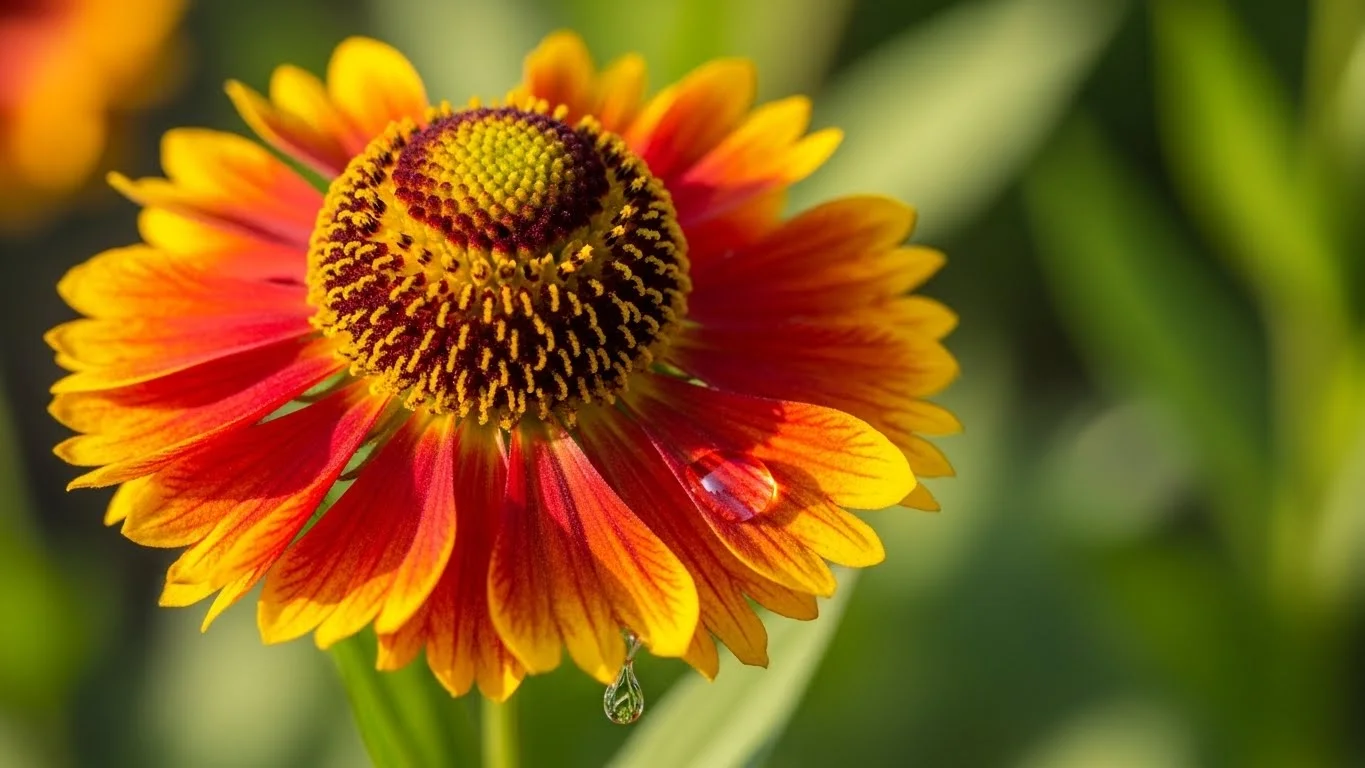
Known for yellow, orange, or red daisy-like flowers
Helenium Meaning in Gardening
In gardening, helenium is valued for:
Long-lasting blooms from late summer to fall
Low maintenance and adaptability
Attracting bees, butterflies, and other pollinators
Helenium Meaning in Symbolism
Helenium flowers symbolize:
Cheerfulness and happiness
Endurance and perseverance (due to late-season blooms)
Joyful energy and positivity in floral arrangements
Helenium Meaning in Floral Arrangements
Bright colors make helenium perfect for autumn bouquets
Adds height and texture to floral designs
Pairs well with asters, sunflowers, and ornamental grasses
Common Misunderstandings About Helenium
Some confuse helenium with common daisies – while similar, helenium blooms later in the season and has unique textures
Others mistake it for a medicinal plant – although historically called sneezeweed, it is mostly ornamental today
Helenium Meaning in Nature
Serves as a pollinator-friendly plant
Provides habitat for insects and small wildlife
Adds seasonal beauty to wildflower gardens
Helenium Meaning in Landscaping
Ideal for borders, meadows, and cottage gardens
Can be used for mass plantings for dramatic autumn color
Adds visual interest due to vibrant colors and height
How to Grow Helenium
Prefers full sun
Grows well in well-drained soil
Water regularly, but avoid waterlogging
Deadhead flowers to encourage prolonged blooming
Helenium Meaning in Culture
Called sneezeweed due to historical use in traditional medicine
Represents joy and vitality in floral symbolism
Often included in autumn festivals and celebrations
Helenium Meaning in Modern Usage
In 2026, helenium is commonly used:
As ornamental garden plants
In cut flower arrangements
In pollinator-friendly landscape designs
It represents vibrancy, cheerfulness, and late-season beauty.
How to Recognize Helenium
Daisy-like flowers with yellow, red, or orange petals
Sturdy stems with alternate leaves
Blooms in late summer to early fall
Benefits of Planting Helenium
Attracts pollinators
Provides colorful late-season blooms
Low maintenance and hardy in various climates
Adds visual interest to gardens and landscapes
How to Use Helenium Correctly in Sentences
Examples:
“The helenium in the garden is blooming brilliantly this September.”
“I added helenium to my autumn bouquet for vibrant color.”
“Pollinators love the helenium planted near the vegetable patch.”