
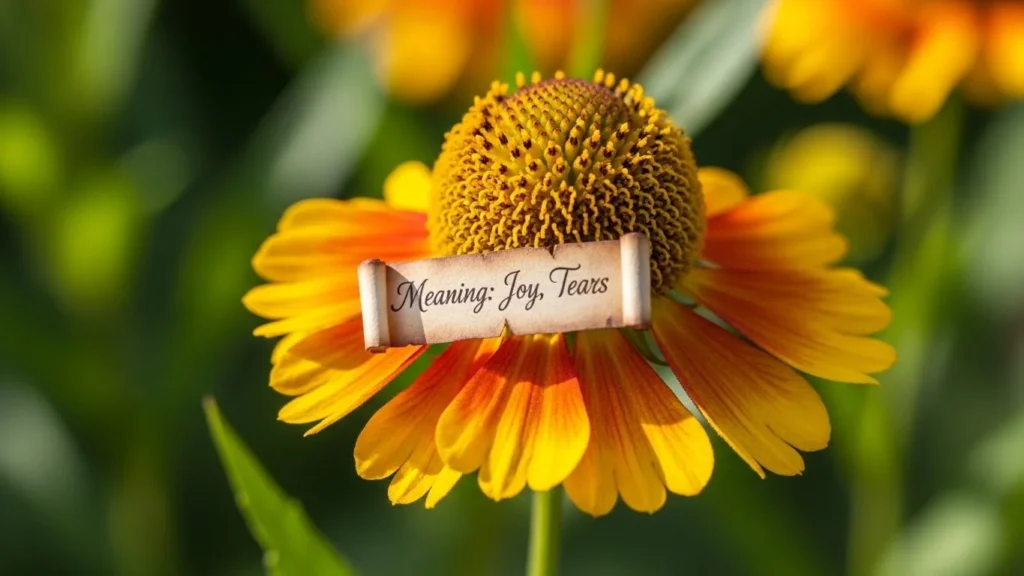
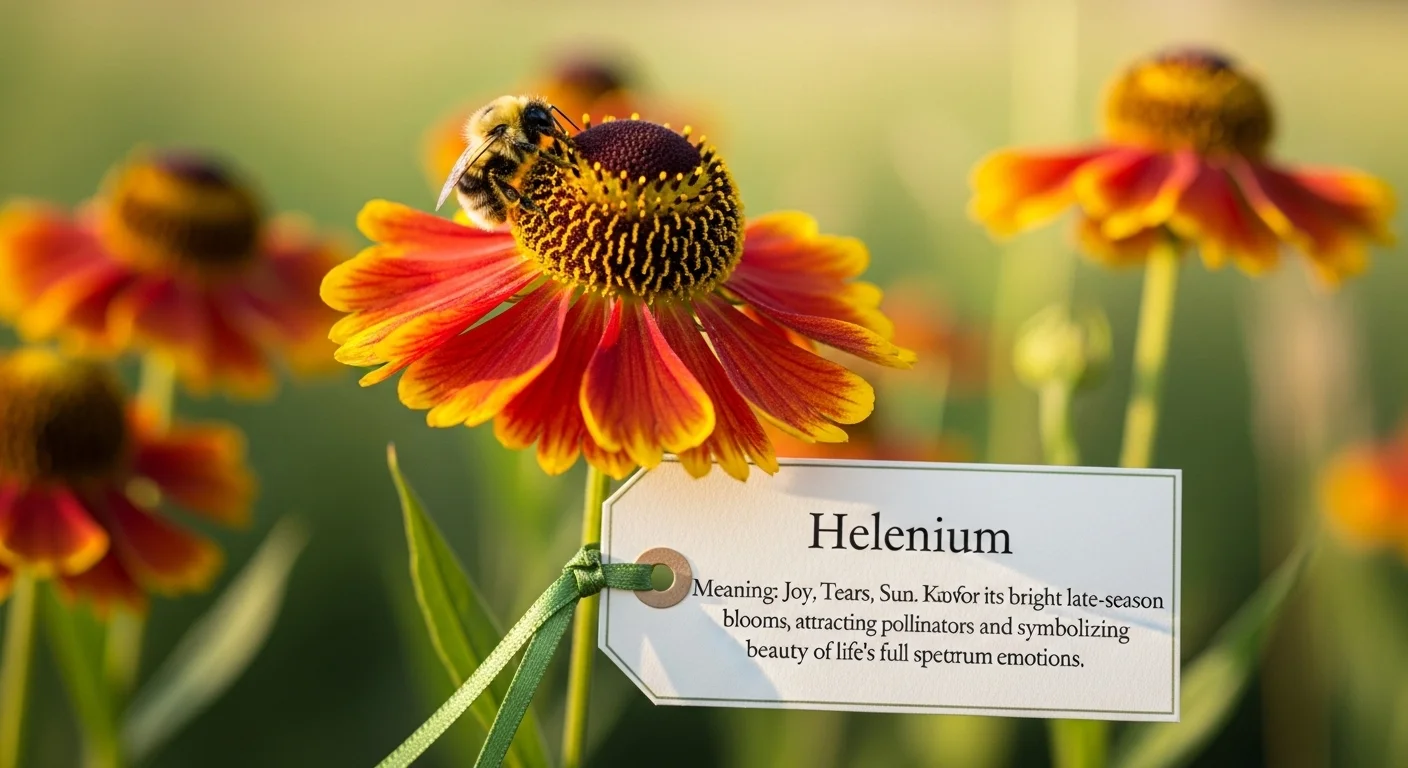
🌼 Helenium Meaning in English
- Helenium is the name of a genus of flowering plants
- Belongs to the daisy family (Asteraceae)
- Commonly known as sneezeweed
- Native to North and South America
- Known for bright yellow, orange, or red flowers
- Popular in gardens for late summer color
- Attracts bees and butterflies
- A decorative ornamental plant
- Easy to grow in suitable climates
- Named after Helen of Troy (mythological reference)
🌸 Helenium Meaning Flower
- Helenium refers to a beautiful garden flower
- Produces daisy-like blooms
- Colors include yellow, orange, and red
- Blooms in late summer to autumn
- Often used in landscaping
- Symbol of energy and warmth
- Grows in sunny environments
- Long-lasting flowering plant
- Common in flower beds
- Popular ornamental species
🍃 Helenium Leaves
- Helenium leaves are green, narrow, and slightly toothed
- Grow along the stem of the plant
- Help in photosynthesis
- Usually soft and lance-shaped
- Support healthy flower growth
- Not very large or decorative
- Common in wild and garden varieties
- Part of herbaceous plant structure
- Used for plant identification
- Typical of daisy family plants
🌺 Helenium Varieties
- Different types of helenium plants include:
- Helenium autumnale (common sneezeweed)
- Helenium hoopesii (western sneezeweed)
- Hybrid garden varieties
- Color variations: yellow, red, orange
- Some varieties are taller or shorter
- Used in ornamental gardening
- Popular in flower borders
- Attract pollinators
- Bloom at different seasonal times
- Wide diversity in species
🌿 Helenium Plant
- Helenium is a perennial flowering plant
- Grows best in full sun
- Prefers moist, well-drained soil
- Can grow up to medium height
- Produces bright, colorful flowers
- Used in decorative gardening
- Attracts butterflies and bees
- Easy to maintain plant
- Blooms in summer to fall
- Common in wildflower gardens
🌸 Helenium Siesta
- “Helenium Siesta” is a popular hybrid variety
- Known for bright orange-red flowers
- Compact and garden-friendly size
- Blooms for a long period
- Used in ornamental flower beds
- Attracts pollinators like bees
- Easy to grow and maintain
- Popular in landscaping design
- Adds vibrant color to gardens
- A decorative hybrid plant
🌱 Helenium Seeds
- Helenium seeds are used to grow new helenium plants
- Small and easy to plant
- Usually sown in spring
- Require sunlight and moist soil
- Germinate in warm conditions
- Used by gardeners for propagation
- Can be collected from mature flowers
- Grow into flowering perennials
- Important for plant reproduction
- Common in gardening stores
🌼 Helenium Echinacea
- Helenium and Echinacea are different but often compared garden flowers
- Both belong to daisy family plants
- Both attract pollinators
- Echinacea is also known for medicinal uses
- Helenium is mainly ornamental
- Similar appearance but different properties
- Both grow in sunny gardens
- Popular in flower landscaping
- Used together in garden designs
- Different plant genera but visually related
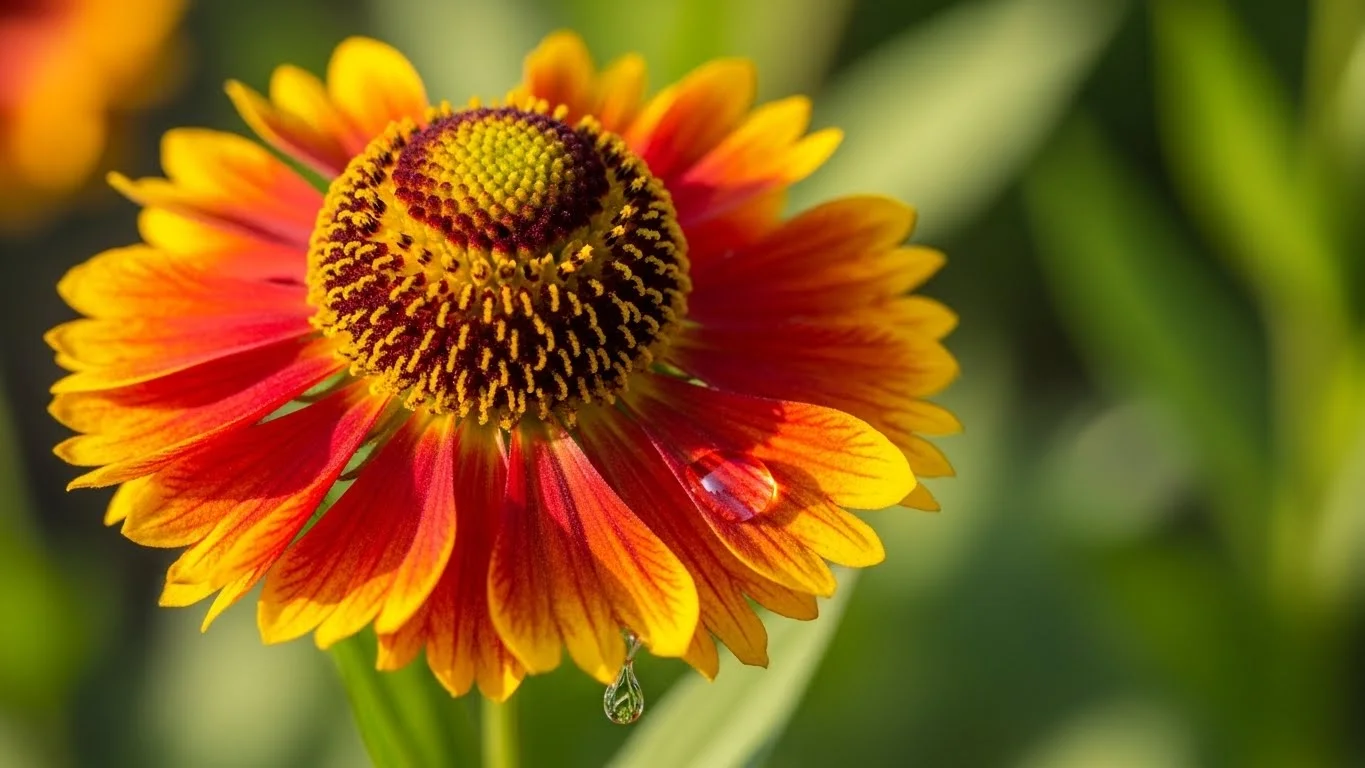
What Helenium Means in Simple Words
Helenium is a type of flowering plant with vibrant, colorful blooms, often used in gardens to attract pollinators and add visual appeal.
Example: “The gardener planted helenium along the path to brighten the garden.”
Basic Definition of Helenium
At its core, helenium refers to:
-
A genus of flowering plants in the Asteraceae family
-
Native to North and Central America
-
Known for yellow, orange, or red daisy-like flowers
Helenium Meaning in Gardening
In gardening, helenium is valued for:
-
Long-lasting blooms from late summer to fall
-
Low maintenance and adaptability
-
Attracting bees, butterflies, and other pollinators
Helenium Meaning in Symbolism
Helenium flowers symbolize:
-
Cheerfulness and happiness
-
Endurance and perseverance (due to late-season blooms)
-
Joyful energy and positivity in floral arrangements
Helenium Meaning in Floral Arrangements
-
Bright colors make helenium perfect for autumn bouquets
-
Adds height and texture to floral designs
-
Pairs well with asters, sunflowers, and ornamental grasses
Common Misunderstandings About Helenium
-
Some confuse helenium with common daisies – while similar, helenium blooms later in the season and has unique textures
-
Others mistake it for a medicinal plant – although historically called sneezeweed, it is mostly ornamental today
Helenium Meaning in Nature
-
Serves as a pollinator-friendly plant
-
Provides habitat for insects and small wildlife
-
Adds seasonal beauty to wildflower gardens
Helenium Meaning in Landscaping
-
Ideal for borders, meadows, and cottage gardens
-
Can be used for mass plantings for dramatic autumn color
-
Adds visual interest due to vibrant colors and height
How to Grow Helenium
-
Prefers full sun
-
Grows well in well-drained soil
-
Water regularly, but avoid waterlogging
-
Deadhead flowers to encourage prolonged blooming
Helenium Meaning in Culture
-
Called sneezeweed due to historical use in traditional medicine
-
Represents joy and vitality in floral symbolism
-
Often included in autumn festivals and celebrations
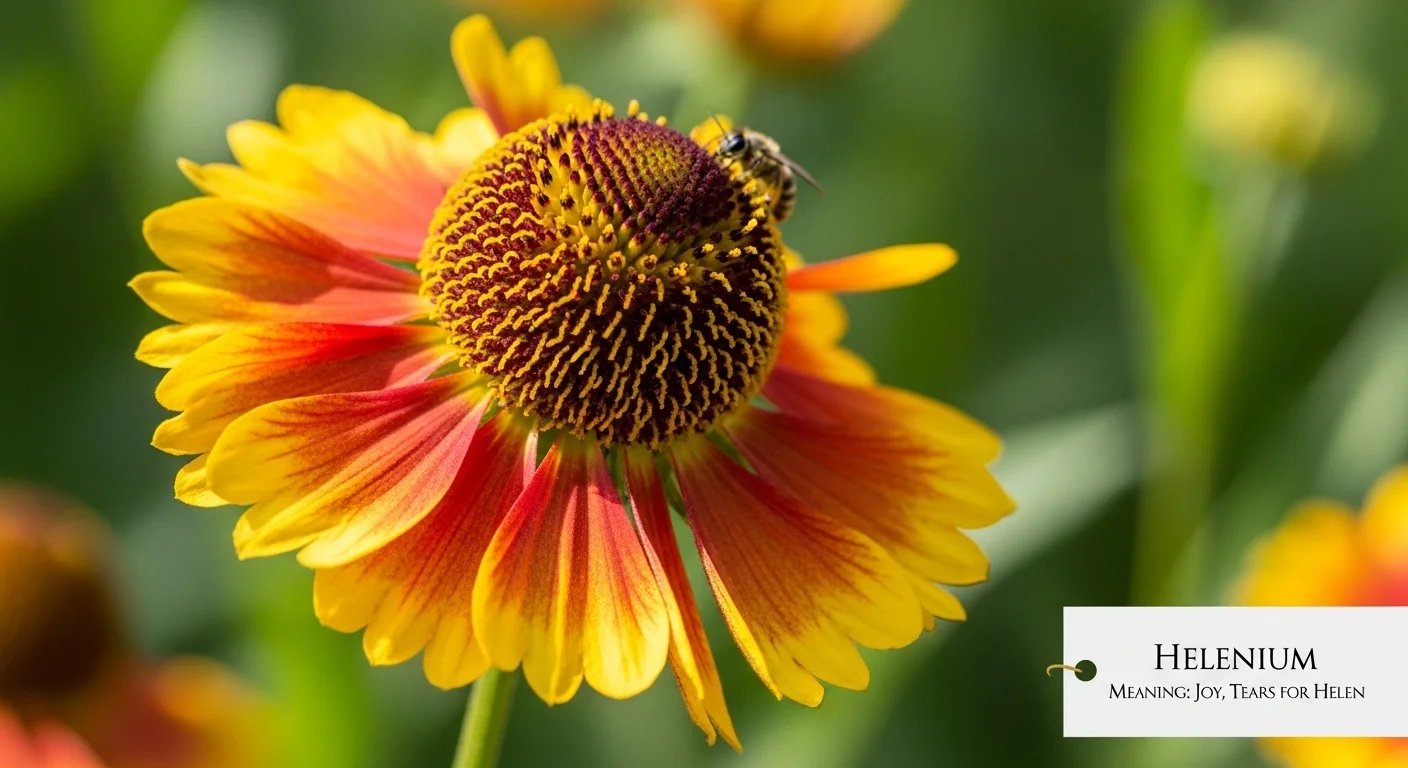
Helenium Meaning in Modern Usage
In 2026, helenium is commonly used:
-
As ornamental garden plants
-
In cut flower arrangements
-
In pollinator-friendly landscape designs
It represents vibrancy, cheerfulness, and late-season beauty.
How to Recognize Helenium
-
Daisy-like flowers with yellow, red, or orange petals
-
Sturdy stems with alternate leaves
-
Blooms in late summer to early fall
Benefits of Planting Helenium
-
Attracts pollinators
-
Provides colorful late-season blooms
-
Low maintenance and hardy in various climates
-
Adds visual interest to gardens and landscapes
How to Use Helenium Correctly in Sentences
Examples:
-
“The helenium in the garden is blooming brilliantly this September.”
-
“I added helenium to my autumn bouquet for vibrant color.”
-
“Pollinators love the helenium planted near the vegetable patch.”