
What Does Hydroplaning Mean?
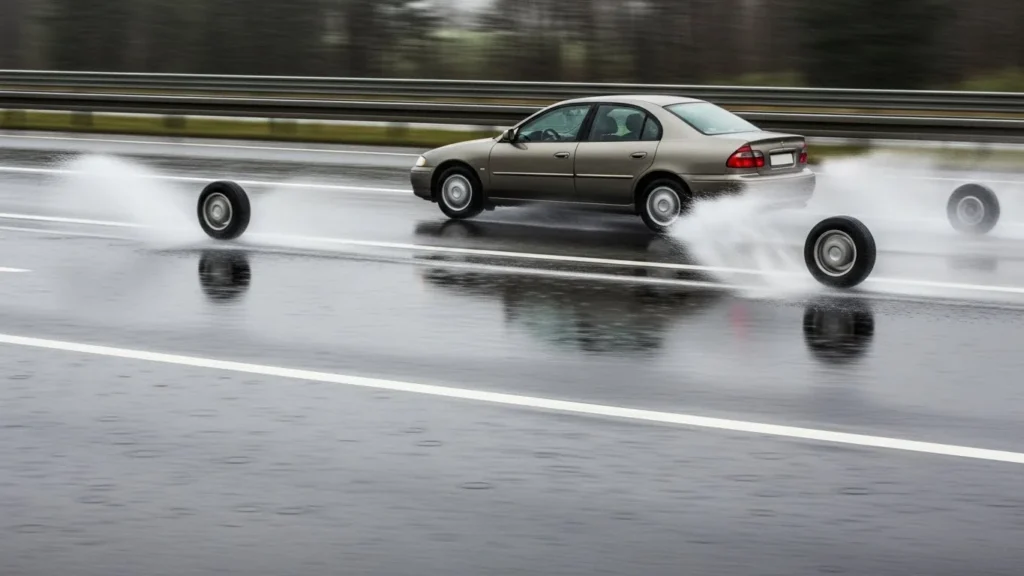
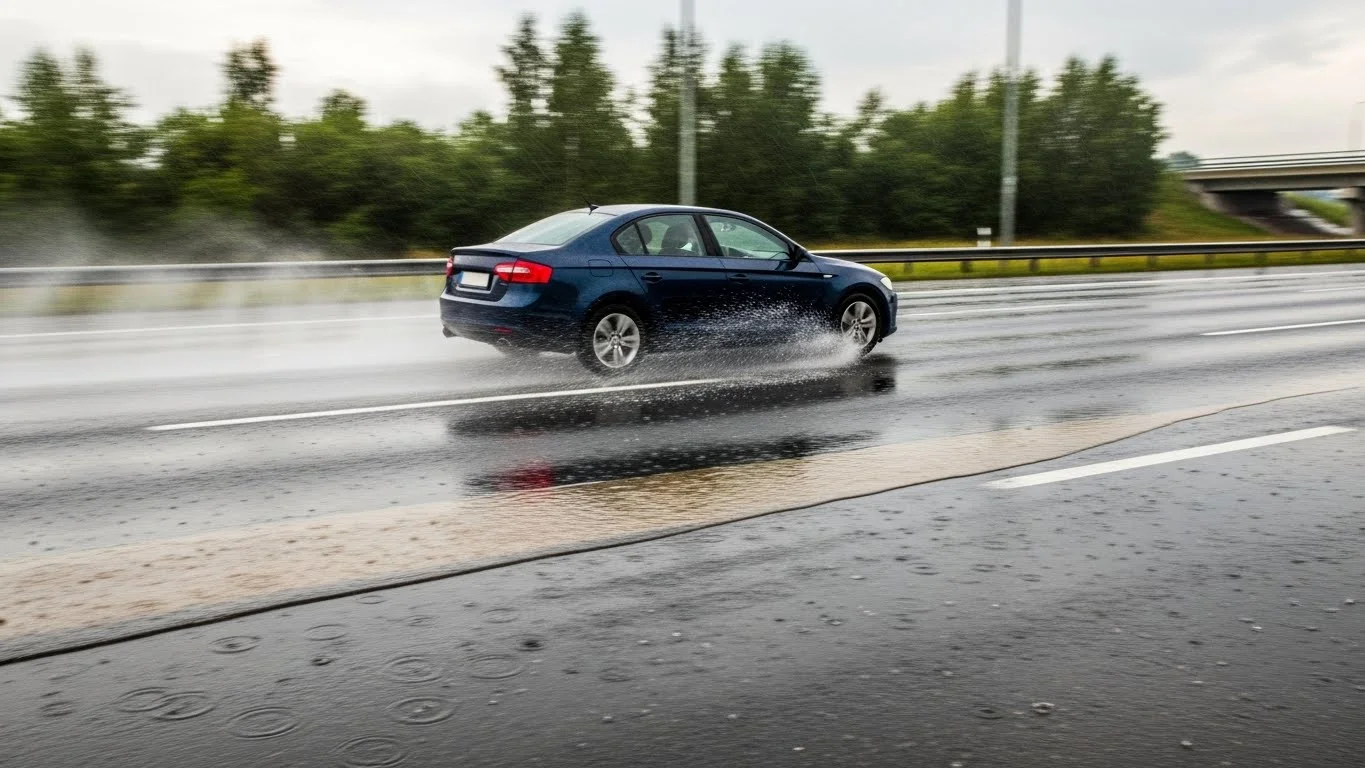
Hydroplaning means a vehicle loses contact with the road surface because of water, causing the tires to ride on top of the water instead of gripping the pavement.
When this happens, the driver temporarily loses control of steering, braking, or acceleration.
Hydroplaning Meaning in Simple Words
In simple terms, hydroplaning means:
Your tires stop gripping the road
Water builds up between tires and pavement
The car feels like it’s floating or sliding
This loss of traction can be very dangerous.
Why Hydroplaning Happens
Hydroplaning occurs when:
Roads are wet or flooded
Tires cannot push water away fast enough
The vehicle is moving too fast
Water creates a thin layer that separates the tire from the road.
Common Causes of Hydroplaning
Hydroplaning is more likely when:
Driving at high speeds
Tires are worn or underinflated
Roads have standing water
Heavy rain reduces visibility and traction
Even experienced drivers can hydroplane.
What Hydroplaning Feels Like
Drivers often describe hydroplaning as:
Sudden loss of steering control
Car drifting sideways
Steering wheel feeling light
Brakes not responding normally
These sensations can be frightening if you’re not prepared.
Is Hydroplaning Dangerous?
Yes, hydroplaning is dangerous because:
You cannot fully control the vehicle
It increases the risk of crashes
Cars can spin or leave the roadway
Quick, calm reactions are essential to regain control.
What to Do If Your Car Hydroplanes
If hydroplaning happens:
Stay calm
Do not slam the brakes
Ease off the accelerator
Hold the steering wheel steady
Let the car slow down naturally
Once tires regain contact, control usually returns.
What Not to Do During Hydroplaning
Avoid these actions:
Sudden braking
Sharp steering turns
Accelerating
These actions can worsen the loss of control.
Hydroplaning vs Skidding
Although related, they are different:
Hydroplaning: Caused by water lifting tires off the road
Skidding: Loss of traction due to ice, snow, or sudden braking
Hydroplaning specifically involves water.
When Hydroplaning Is Most Likely
Hydroplaning risk increases:
During heavy rain
At highway speeds
On poorly drained roads
During the first rain after dry weather
Oil buildup mixed with rain makes roads slippery.
How Speed Affects Hydroplaning
Higher speed means:
Less time for tires to clear water
Greater chance of water buildup
Reducing speed is one of the best prevention methods.
Tire Condition and Hydroplaning
Good tires help prevent hydroplaning by:
Channeling water away through grooves
Maintaining proper road contact
Worn tires greatly increase risk.
How to Prevent Hydroplaning
To reduce hydroplaning risk:
Drive slower in rain
Maintain proper tire pressure
Replace worn tires
Avoid standing water
Use cruise control carefully in wet conditions
Prevention starts before the rain begins.
Hydroplaning Meaning in Driving Safety
In driving education, hydroplaning refers to:
A major wet-weather hazard
A common cause of rain-related accidents
A situation requiring calm control
Understanding it improves overall road safety.
Hydroplaning and Weather Conditions
Hydroplaning is more common during:
Thunderstorms
Heavy rainfall
Flooded roadways
Visibility and traction both decrease in these conditions.
Hydroplaning Meaning for New Drivers
For new drivers, hydroplaning means:
Losing control due to water on roads
Needing calm, steady reactions
Learning to respect wet road conditions
Driver education programs emphasize this risk.
Common Misunderstandings About Hydroplaning
It doesn’t only happen at high speeds
New cars can still hydroplane
Four-wheel drive does not prevent hydroplaning
Any vehicle can be affected.
Hydroplaning in Real-Life Examples
“The car hydroplaned during heavy rain.”
“Slow down to avoid hydroplaning.”
“Worn tires caused the vehicle to hydroplane.”
These examples show common usage.
Why Knowing the Hydroplaning Meaning Matters
Understanding hydroplaning helps:
Prevent accidents
Improve reaction time
Promote safer driving habits
Knowledge can save lives.