
What Is the PCI Compliance Meaning?
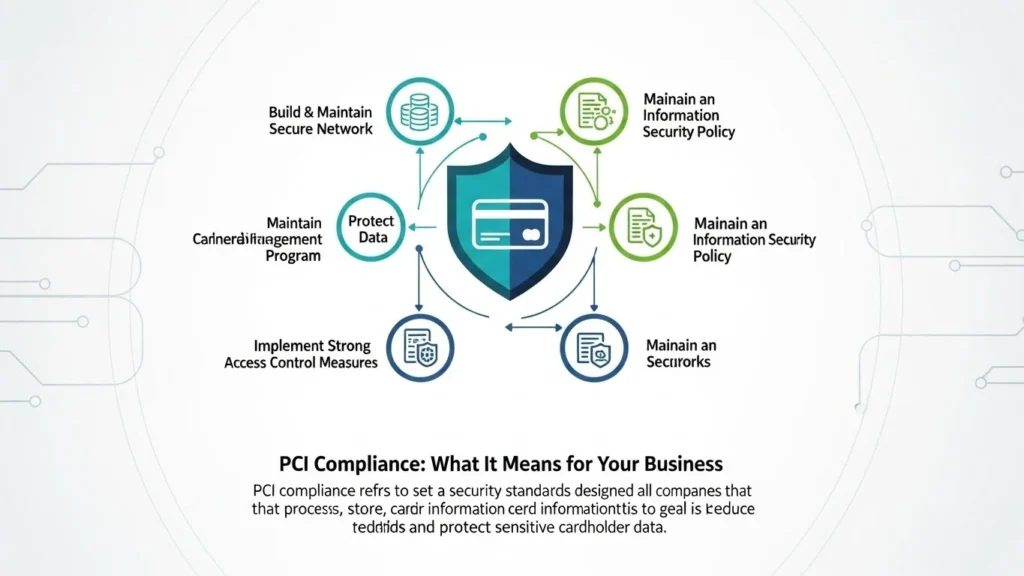
PCI compliance means following a set of security rules designed to protect credit and debit card information.
These rules help ensure that businesses store, process, and transmit card data safely.
What Does PCI Stand For?
PCI stands for Payment Card Industry.
The standards were created by major card companies to reduce fraud and data breaches.
PCI Compliance Meaning in Simple Words
In simple terms:
PCI compliance means keeping customer card data safe by following approved security practices.
If you accept card payments, PCI compliance applies to you.
Why PCI Compliance Exists
PCI compliance exists to:
Prevent credit card fraud
Reduce data breaches
Protect customer trust
Create uniform security standards
Without it, card data would be much easier to steal.
Who Created PCI Compliance Standards
The rules were developed by the Payment Card Industry Security Standards Council, supported by major card brands.
These standards apply globally, not just in one country.
Who Needs PCI Compliance?
PCI compliance applies to:
Online stores
Small businesses
Large companies
Subscription services
Anyone accepting card payments
Business size does not matter.
PCI Compliance Meaning for Small Businesses
Many small businesses think PCI compliance is only for big companies. That is not true.
If you accept card payments, even occasionally, PCI compliance applies to you.
What Is PCI DSS?
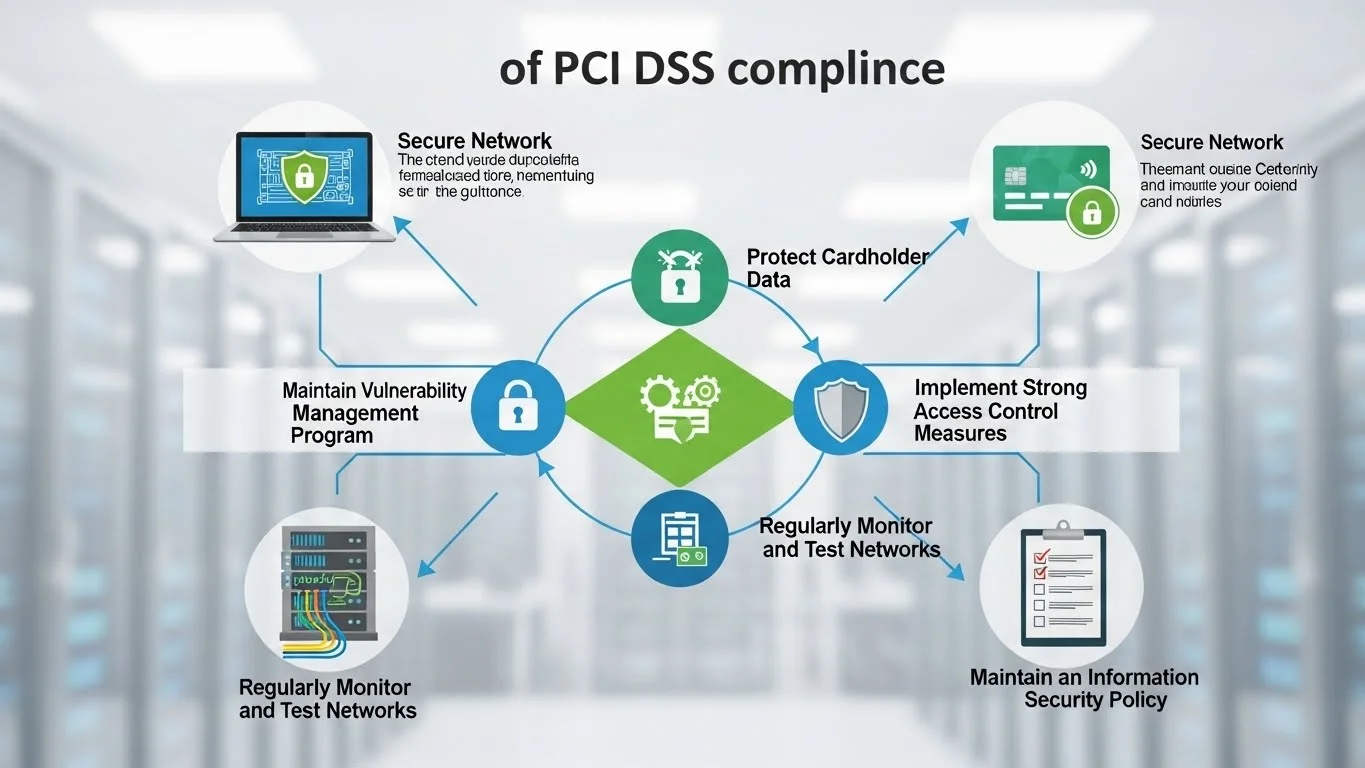
PCI DSS stands for Payment Card Industry Data Security Standard.
It is the official set of rules businesses must follow to be considered PCI compliant.
Key PCI Compliance Requirements
Some core PCI requirements include:
Secure networks and systems
Protect cardholder data
Monitor access to systems
Regular security testing
Strong access control measures
These rules reduce security risks.
PCI Compliance Meaning in E-Commerce
For online businesses, PCI compliance ensures that:
Checkout pages are secure
Payment data is encrypted
Customer card information is protected
This is critical for online trust.
PCI Compliance and Payment Processors
Many businesses use third-party payment processors.
Even then, you may still have PCI responsibilities, depending on how payments are handled.
What Happens If You Are Not PCI Compliant
Not following PCI standards can lead to:
Fines
Higher transaction fees
Loss of payment processing ability
Damage to business reputation
Compliance protects both businesses and customers.
Common PCI Compliance Misunderstandings
Some common mistakes include:
Thinking compliance is optional
Believing processors handle everything
Assuming small businesses are exempt
These misunderstandings can cause serious issues.
PCI Compliance Meaning for Customers
For customers, PCI compliance means:
Safer online payments
Lower fraud risk
Greater trust in businesses
Customers may not see it, but they benefit from it.
PCI Compliance Levels Explained
Businesses are grouped into levels based on transaction volume.
Higher levels have stricter validation requirements, but all levels must follow PCI rules.
How Businesses Maintain PCI Compliance
Maintaining compliance usually involves:
Completing security assessments
Using secure payment systems
Updating software regularly
Training staff on data protection
Compliance is ongoing, not one-time.
PCI Compliance Meaning in Daily Operations
In daily business operations, PCI compliance affects:
How payments are processed
How data is stored
How systems are accessed
It becomes part of normal business practices.
PCI Compliance vs Data Security
PCI compliance focuses specifically on card data.
General data security may include other types of information, but PCI is payment-focused.
Why PCI Compliance Builds Trust
Customers are more likely to trust businesses that:
Take security seriously
Follow industry standards
Protect sensitive information
Trust leads to repeat business.
Simple Example of PCI Compliance
A compliant business:
Uses secure checkout
Does not store raw card numbers
Works with trusted payment providers
This setup reduces risk.