
What Does Ravine Meaning?
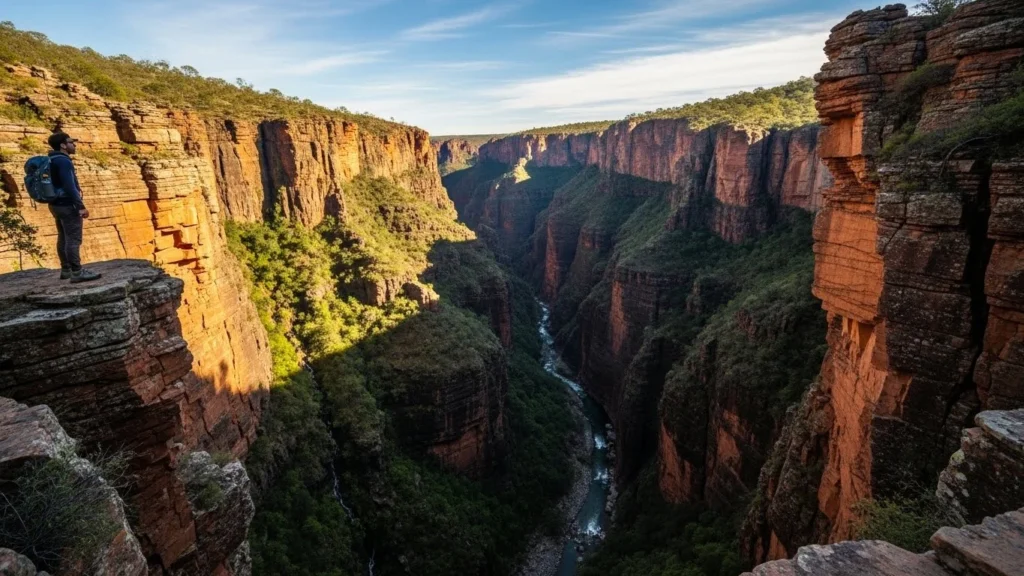
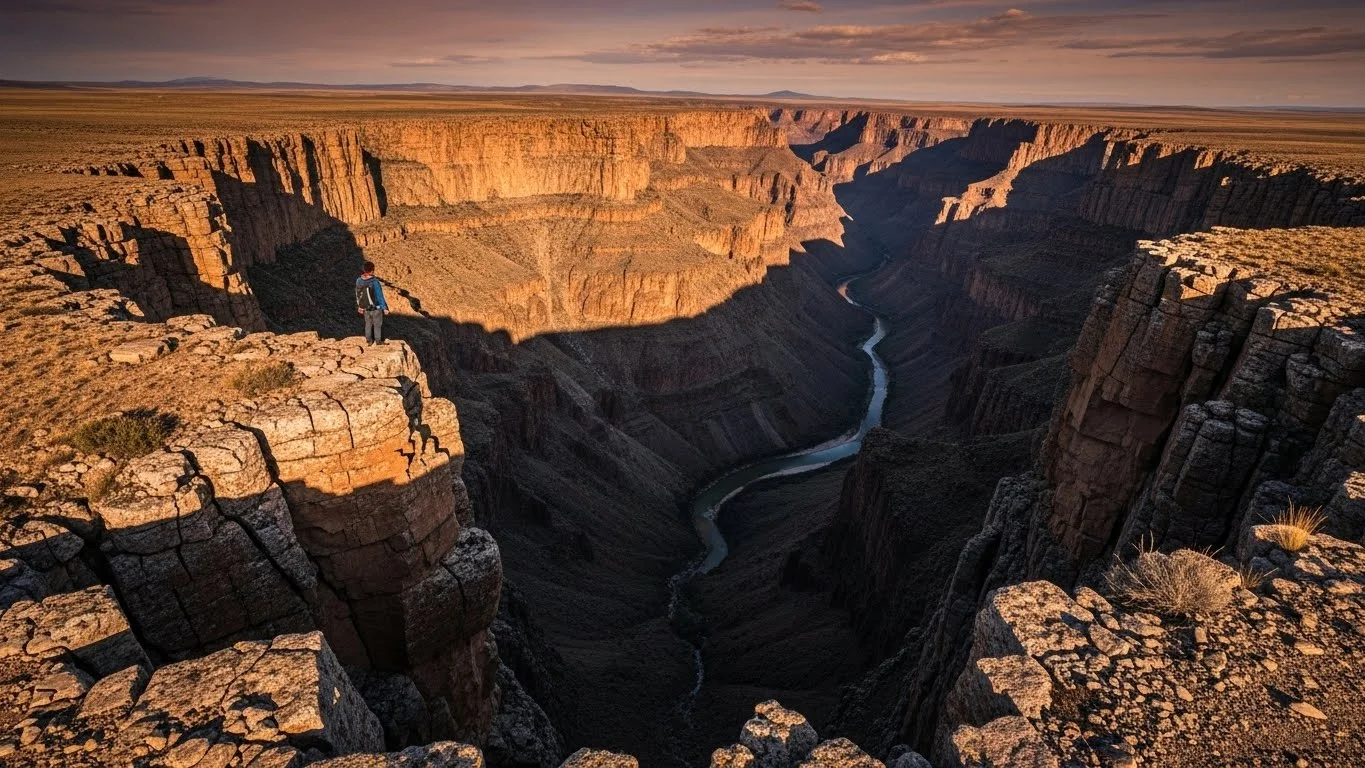
A ravine is a deep, narrow valley or gorge usually formed by water erosion.
In simple words:
A ravine is a small but steep valley in the ground, often created by a river or heavy rainfall.
Example:
“The hikers carefully walked along the edge of the ravine.”
Meaning: They were walking near a steep, narrow valley.
Formation of Ravines
Ravines usually form over time through natural processes:
Water erosion: Flowing rivers or streams cut deep into the soil or rock
Rainfall and runoff: Heavy rain washes soil away, deepening the valley
Weathering: Wind and temperature changes gradually wear down rocks
Landslides: Soil and rocks may collapse, shaping the ravine further
Ravines are often smaller than canyons but larger than gullies.
Characteristics of a Ravine
Ravines typically have:
Steep sides that can be rocky or covered in vegetation
Narrow width compared to large valleys or canyons
Flowing water in many cases, forming streams or small rivers
Rough terrain that can be dangerous for hikers
They are often scenic but require caution when exploring.
Ravine in Geography and Nature
In geography, ravines are:
Indicators of erosion and natural land changes
Important for local ecosystems, providing habitats for plants and animals
Sometimes used for hiking trails or adventure sports
Ravines play a role in shaping landscapes and supporting biodiversity.
Real-Life Examples of Ravine
“The train passed through a deep ravine carved by the river over centuries.”
Meaning: The river eroded the land to form a steep, narrow valley.“Wildflowers grew along the sides of the ravine.”
Meaning: Plants thrive in the unique terrain of the ravine.“The hikers had to climb down the ravine carefully.”
Meaning: They navigated a steep and narrow valley safely.
Common Misunderstandings
People often misunderstand ravine because:
They confuse it with a canyon (ravines are smaller and narrower)
They assume it’s flat or safe to walk across (ravines are steep)
They think it always has a river (some ravines are dry)
Clarification:
A ravine is a steep, narrow valley, which may or may not contain water.
Related Words and Concepts
Words often linked to ravine include:
Gorge – A narrow valley with steep rocky sides
Canyon – A large, deep valley, usually bigger than a ravine
Gully – A small channel formed by water erosion
Valley – A low area between hills or mountains
Ravine ecosystem – Plants and animals living in ravine environments
These help understand different types of landforms and their features.