
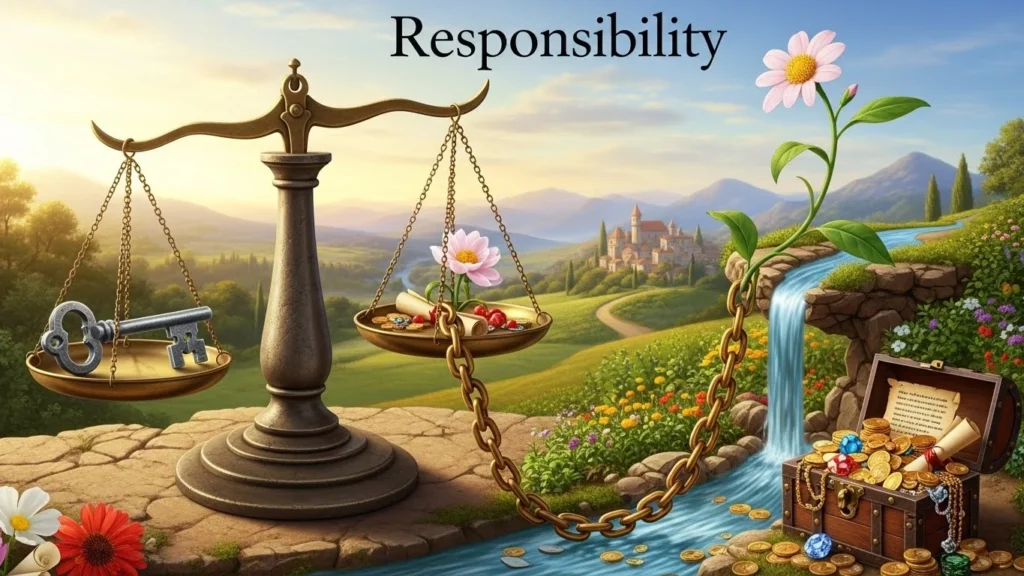

What Responsibility Means in Simple Words
Responsibility means being accountable for your actions and duties. It involves doing what you are expected to do and accepting the results of your choices.
Basic Definition of Responsibility
The responsibility meaning refers to a duty or obligation that a person is expected to fulfill.
Responsibility Meaning in Daily Life
In daily life, responsibility includes tasks like managing time, keeping promises, and caring for personal needs.
Responsibility Meaning in Personal Behavior
Personal responsibility involves making thoughtful choices and understanding how actions affect others.
Responsibility Meaning in Relationships
In relationships, responsibility means being reliable, respectful, and emotionally aware of others.
Responsibility Meaning in Family Life
Family responsibility includes supporting loved ones, sharing duties, and contributing to household harmony.
Responsibility Meaning in Education
In education, responsibility refers to completing work, respecting rules, and managing learning commitments.
Responsibility Meaning in the Workplace
At work, responsibility means meeting expectations, following guidelines, and being accountable for tasks.
Responsibility Meaning in Social Life
Social responsibility involves behaving respectfully in public and contributing positively to society.
Responsibility Meaning in Moral Understanding
Morally, responsibility is linked to ethics and understanding right and wrong behavior.
Responsibility Meaning in Decision Making
Responsibility plays a key role in decision making, as choices often come with consequences.
Responsibility Meaning in Leadership
In leadership, responsibility includes guiding others, making fair decisions, and accepting accountability.
Responsibility Meaning in Community Life
Community responsibility encourages cooperation, respect, and care for shared spaces and people.
Responsibility Meaning in Personal Growth
Taking responsibility helps individuals grow, mature, and gain confidence.
Modern Usage of Responsibility Meaning
In modern language, responsibility is often connected to independence and self-management.
Responsibility Meaning Compared to Obligation
Responsibility involves choice and accountability, while obligation may feel forced or required.
Emotional Aspect of Responsibility
Responsibility can bring pride and purpose, but also requires effort and discipline.
Common Misunderstandings About Responsibility
Some believe responsibility limits freedom, but it often leads to trust and independence.
Is Responsibility Always a Burden
Responsibility is not always negative. It can create structure and personal satisfaction.
How Context Changes Responsibility Meaning
The meaning of responsibility changes depending on whether it is personal, social, or professional.
Why Understanding Responsibility Meaning Matters
Understanding the responsibility meaning helps people build trust, make better decisions, and live more balanced lives.
How Responsibility Is Used in Sentences
Examples include:
“She takes responsibility for her actions.”
“Responsibility is important in teamwork.”