
What Does Throbbing Mean?
Throbbing means pulsing, beating, or repeatedly intensifying and easing over time. It describes something that feels, sounds, or appears to move in a rhythmic way.
In simple terms, throbbing refers to a strong sensation that comes and goes in waves.
Literal Meaning of Throbbing
In its most literal sense, throbbing describes physical sensations such as:
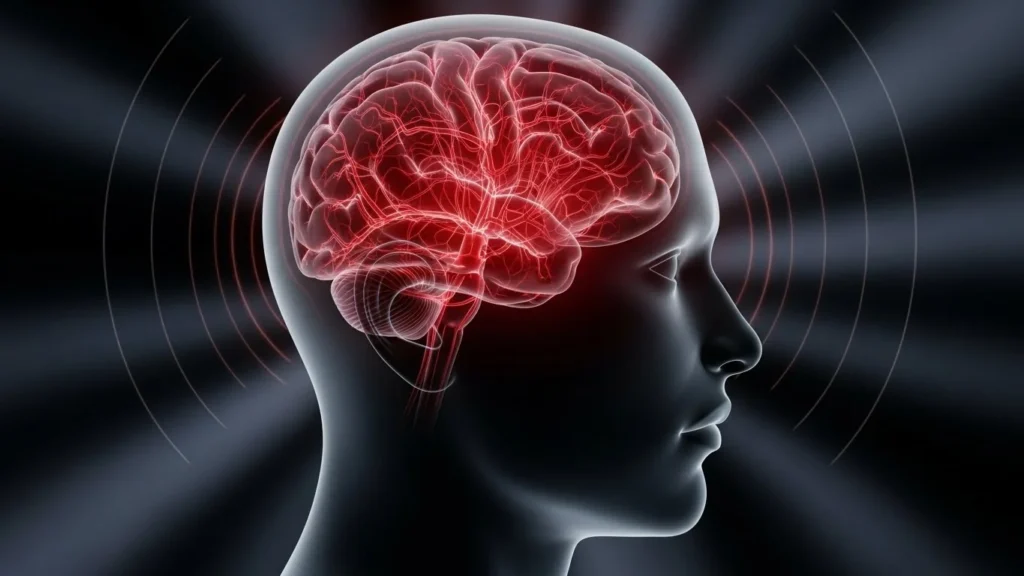
A throbbing headache
A throbbing pain
A throbbing injury
This use emphasizes rhythm and intensity, often linked to the heartbeat or blood flow.
Throbbing Meaning in Emotional and Descriptive Language
Throbbing is also used figuratively to describe strong emotions or environments, such as:
Throbbing excitement
Throbbing tension
Throbbing energy in a crowd
In this context, it means something feels intense, alive, and emotionally charged.
Throbbing in Sound and Movement
The word is commonly used to describe sound or motion that feels repetitive and powerful:
Throbbing music
Throbbing bass
Throbbing lights
Here, it suggests a steady, powerful rhythm that can be felt as much as heard or seen.
Common Contexts Where Throbbing Is Used
Throbbing frequently appears in:
Medical or health descriptions
Fiction and poetry
Music and event descriptions
Emotional storytelling
The meaning always centers around repetition, strength, and sensation.
Common Misunderstandings About Throbbing
Some people assume throbbing always has a negative meaning, but that’s not always true:
It can describe pain, but also energy or excitement
It doesn’t always imply discomfort
Context determines whether it’s physical, emotional, or sensory
Understanding the sentence around it is key.
Synonyms and Similar Words
Words related to throbbing include:
Pulsing
Beating
Pounding
Vibrating
Rhythmic
Each carries a similar idea but may differ in intensity or tone.