
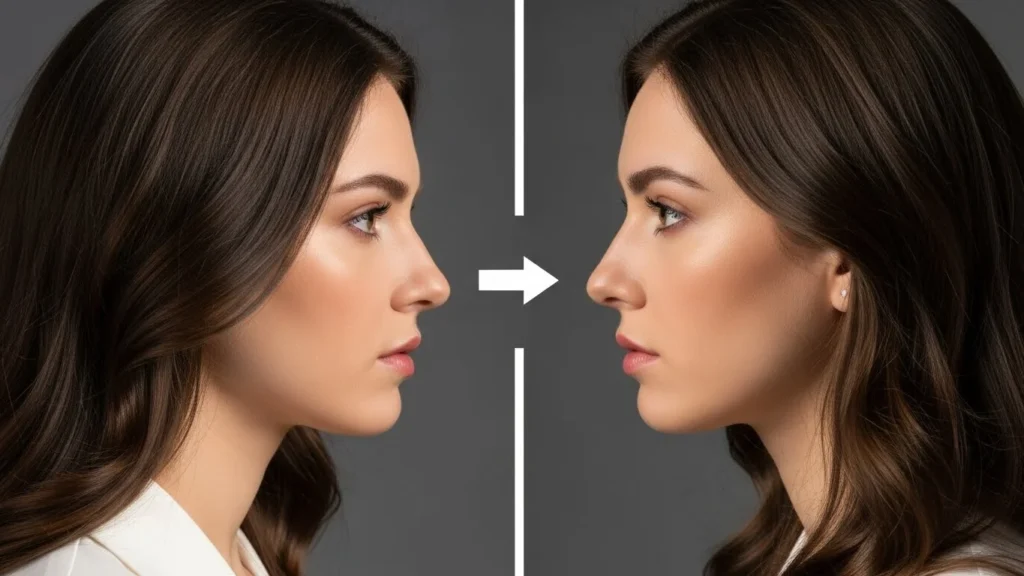
What Does “Two-Faced” Meaning?
Two-faced describes someone who is insincere or deceitful, pretending to be kind or friendly while having hidden negative intentions.
Someone may act nice to your face but talk badly about you behind your back.
The term emphasizes duplicity and dishonesty in personality or behavior.

Origin of the Term
The expression “two-faced” comes from the idea of showing two different faces, metaphorically representing duplicity. It has been used in English since the early 1600s to describe hypocritical or deceitful people.
Two-Faced in Daily Life
Being called two-faced is common in:
Friendships: A friend who gossips about you while acting nice.
Workplace: Colleagues who flatter the boss but undermine peers.
Social media: People who post friendly comments publicly but privately criticize others.
Characteristics of Two-Faced People
They say one thing but do another
Frequently manipulate situations for personal gain
Display fake friendliness
Often talk behind others’ backs
Two-Faced vs Dishonest
Dishonest: Could involve lying or cheating once in an action.
Two-faced: A consistent pattern of deceit or hypocrisy in behavior.
Examples of Two-Faced Behavior
Complimenting someone in person but insulting them online.
Agreeing with a plan at work while secretly undermining it.
Pretending to be friends while spreading rumors behind your back.
How to Spot Two-Faced People
Watch for inconsistency between words and actions.
Notice who they praise vs. criticize in private vs. public.
Pay attention to patterns of manipulation or flattery.
Two-Faced in Social Media
Posting supportive comments publicly but sending private negative messages.
Sharing someone’s achievement online while subtly criticizing them elsewhere.
Engaging in online gossip or subtweeting.
Two-Faced in Friendships
Often appears in toxic friendships.
Can cause trust issues and emotional stress.
Key is to observe actions more than words.
Two-Faced in Workplace
Flattering superiors while undermining colleagues.
Pretending to be cooperative while sabotaging projects.
Recognizing patterns helps protect your professional reputation.
Common Misunderstandings
Being cautious or polite doesn’t automatically make someone two-faced.
Not everyone who changes behavior in different contexts is deceitful.
True two-faced behavior is consistent duplicity over time.
Related Phrases
Backstabber: Someone who betrays trust.
Hypocrite: Pretends to have moral standards but doesn’t follow them.
Fake friend: Someone who appears friendly but isn’t genuine.
Two-Faced in Literature and Media
Often depicted as villains or antagonists in books, movies, and shows.
Symbolizes deception, manipulation, and betrayal.
Why Understanding Two-Faced Behavior Matters
Protects your emotional well-being.
Helps you identify trustworthy vs untrustworthy people.
Encourages healthy boundaries in relationships.
Dealing With Two-Faced People
Keep interactions professional and polite.
Avoid sharing sensitive information.
Distance yourself if patterns persist.
Focus on genuine relationships.
Two-Faced in Popular Culture
Frequently mentioned in songs, memes, and social media.
Often used humorously but highlights betrayal or dishonesty.
Psychological Perspective
Some two-faced behavior stems from insecurity or self-preservation.
Others use duplicity for manipulation or personal gain.
Two-Faced vs Passive-Aggressive
Passive-aggressive: Indirect resistance or hidden hostility.
Two-faced: Pretending friendliness while deliberately deceiving.
Warning Signs in Personal Life
Sudden changes in behavior around different people.
Inconsistent stories or excuses.
Secretive about interactions or conversations.