
🌬️ Vane meaning in English
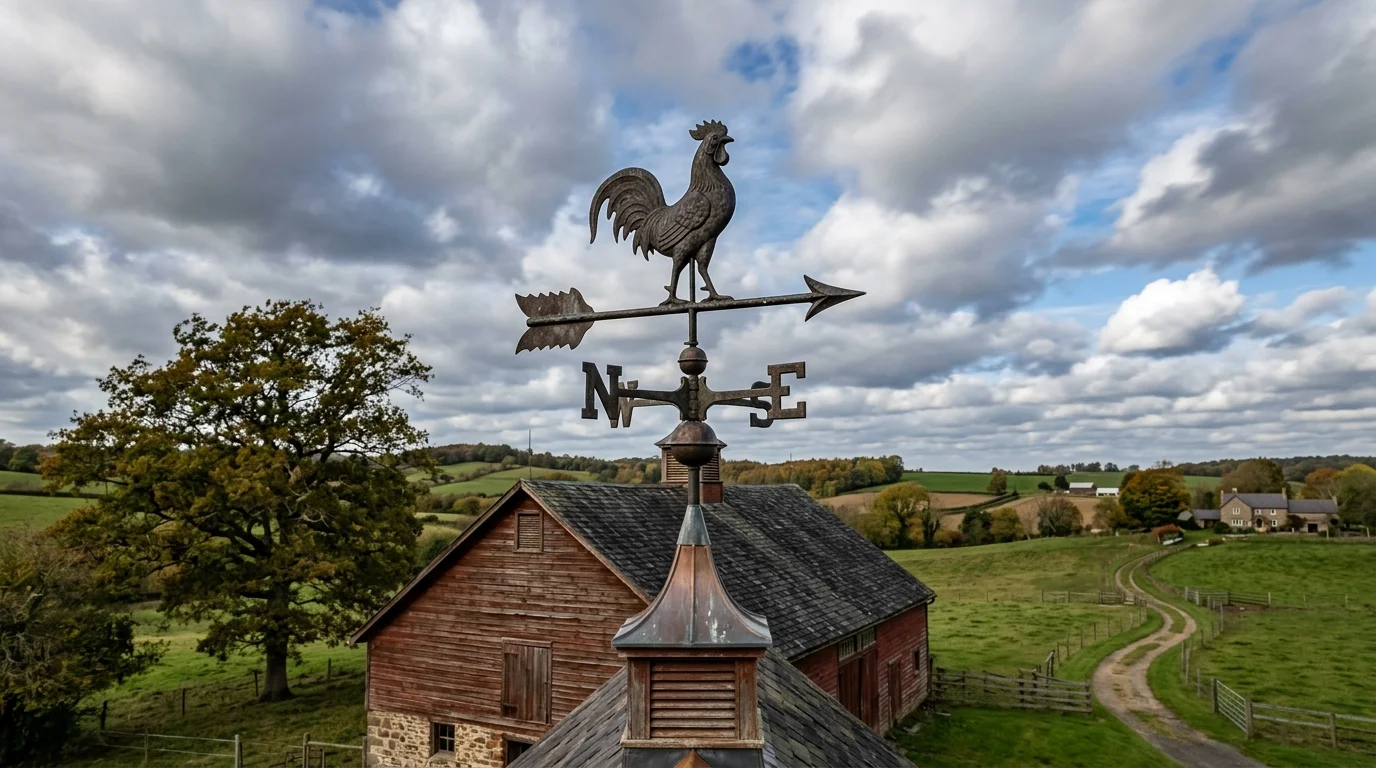
- A vane is a flat object that shows wind direction
- Common example: a weather vane on rooftops
- It turns when wind changes direction
- Used in meteorology and navigation
- Helps measure or indicate airflow
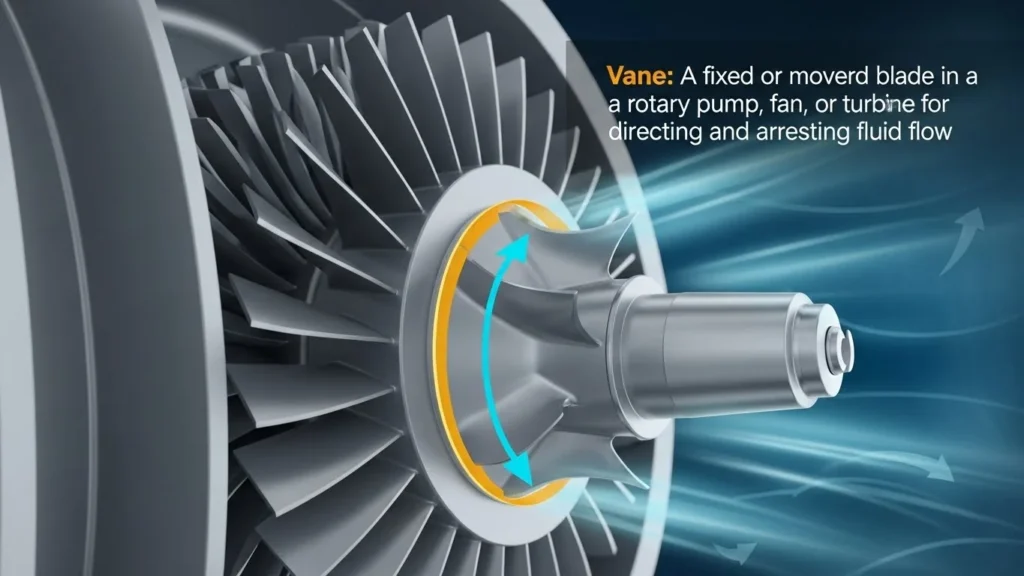
- Also used in machines and turbines
- Can be part of ventilation systems
- Made of metal or lightweight material
- Different from “vein” (blood vessel)
- A physical directional indicator
🌪️ Vane meaning AC
- In AC (air conditioner), a vane is a movable flap
- It controls airflow direction from the unit
- Helps spread cool air across a room
- Can move up, down, or sideways
- Improves cooling efficiency
- Found in split and window ACs
- Often adjustable by remote control
- Directs airflow for comfort
- Part of ventilation system design
- Important for air distribution
💬 Vane meaning in chat
- In chat, “vane” is often a misspelling of “vain” or “vein”
- Usually refers to confusion in spelling
- Sometimes used in casual typing errors
- Not a standard slang word
- May appear in autocorrect mistakes
- Context decides intended meaning
- Often corrected in conversation
- Not widely used intentionally in chat slang
- Can be misunderstood easily
- Best clarified when seen online
🩸 Blood vane meaning
- The correct term is blood vein, not “vane”
- A vein is a blood vessel carrying blood to the heart
- “Vane” is a different word (wind direction tool)
- Blood veins are part of the circulatory system
- Carry deoxygenated blood in most cases
- Visible under skin in some areas
- Important for medical procedures
- Example: varicose veins
- Common confusion due to spelling
- “Vane” is incorrect in medical context
👶 Vane meaning for kids
- A vane is something that shows which way the wind is blowing
- Like a spinning arrow on top of a house
- It moves when the wind changes
- Helps people understand weather direction
- Often shaped like a rooster or arrow
- Found on rooftops or farms
- Easy tool for learning wind direction
- Moves freely in the air
- Used in weather science
- Simple weather instrument
🇪🇸 Vane meaning in Spanish
- “Vane” is not a standard Spanish word by itself
- In Spanish, wind vane is “veleta”
- Example: “la veleta indica el viento”
- “Vane” may appear as a name in Spanish contexts
- Not commonly used in native vocabulary
- Could be confused with English spelling
- Medical “vein” is “vena” in Spanish
- Meaning depends on context
- Mostly used as borrowed or mistaken spelling
- Not a direct Spanish translation word
🪶 Vane meaning feather
- In biology, a vane is the flat part of a feather
- Made of barbs that form a smooth surface
- Helps birds fly and glide
- Located on both sides of the feather shaft
- Provides lift and air control
- Important for flight efficiency
- Found in wing and tail feathers
- Lightweight but strong structure
- Key part of bird anatomy
- Essential for aerodynamics
🌬️ Vane meaning in English (summary)
- A vane is a device or structure that shows direction
- Most commonly used for wind direction
- Also found in machines and feathers
- Different from “vein” (blood vessel)
- Used in science, engineering, and nature
- Simple directional tool
- Common in weather instruments
- Helps measure airflow or wind
- Mechanical or natural structure
- Important in multiple fields
🔁 Vane synonyms
- Blade
- Flap
- Fin
- Indicator
- Weathercock
- Panel
- Wing (in feathers)
- Guide
- Direction marker
- Air vane
What Vane Means in Simple Words
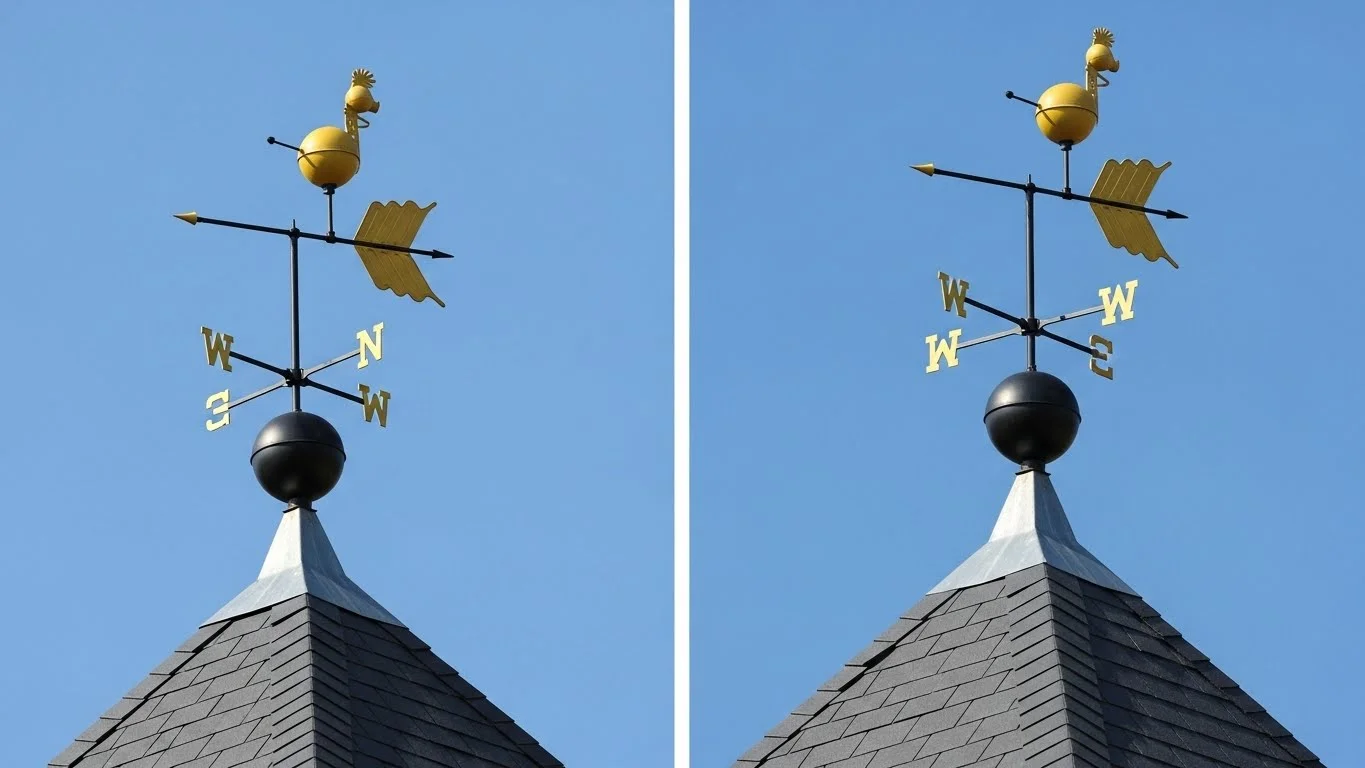
A vane meaning is an object that moves to indicate direction or guide movement, most commonly used to show wind direction or control airflow.
Example: “The weather vane on top of the barn spins to show the wind direction.”
Basic Definition of Vane
At its core, a vane is:
-
A flat or angled surface
-
Mounted to rotate freely
-
Designed to show the direction of wind, fluid, or motion
Vane Meaning in Weather
In meteorology, a vane refers to a weather vane, which indicates wind direction:
-
Mounted on rooftops or poles
-
Often shaped like arrows, roosters, or decorative symbols
-
Provides visual information about wind patterns
Example: “The vane pointed east, signaling the wind had shifted.”
Vane Meaning in Engineering
In engineering, vanes are used in:
-
Turbines: To direct airflow and optimize efficiency
-
Pumps: To guide fluid flow
-
Fans: To control and direct air movement
They are crucial for mechanical efficiency and directional control.
Vane Meaning in Daily Life
Outside technical fields, vane can mean:
-
Any flat or rotating surface showing direction
-
A movable pointer or indicator
-
A decorative or functional object that rotates
Common Misunderstandings About Vane
-
Some confuse vane with weathervane only – vanes can also exist in machinery or aerodynamics
-
Others think it always points north – it points in the direction the wind or fluid moves from

Vane Meaning in Symbolism
Symbolically, a vane can represent:
-
Adaptability to change (like wind)
-
Guidance or direction in life
-
Flexibility and responsiveness
Vane Meaning in Modern Usage
In 2026, vane is used in:
-
Meteorology and weather tracking
-
Mechanical and engineering applications
-
Decorative rooftop ornaments
-
Figurative language about adaptability and direction
How to Recognize a Vane
-
Often rotates freely on a pivot
-
Shows direction of wind, fluid, or motion
-
Can be simple or decorative in design
Benefits of Using Vanes
-
Provides information about wind or fluid direction
-
Enhances efficiency in machines
-
Adds decorative or symbolic value
Vane Meaning in Technology
In modern technology, vanes are used in:
-
Wind turbines: To optimize energy capture
-
Jet engines: To direct airflow efficiently
-
Ventilation systems: To control air movement
Vane Meaning in Nature
Some animals have structures similar to vanes:
-
Feathers on birds help control direction in flight
-
Fish fins act as vanes in water
These natural vanes help with movement and orientation.
How to Use Vane Correctly in Sentences
Examples:
-
“The roof vane indicated a strong northerly wind.”
-
“Engine vanes guide airflow to improve efficiency.”
-
“The decorative vane atop the tower added charm to the skyline.”
Vane Meaning in Aerodynamics
In aerodynamics, vanes:
-
Direct airflow around wings or turbines
-
Improve lift, thrust, or control
-
Are crucial for aircraft and fan efficiency