
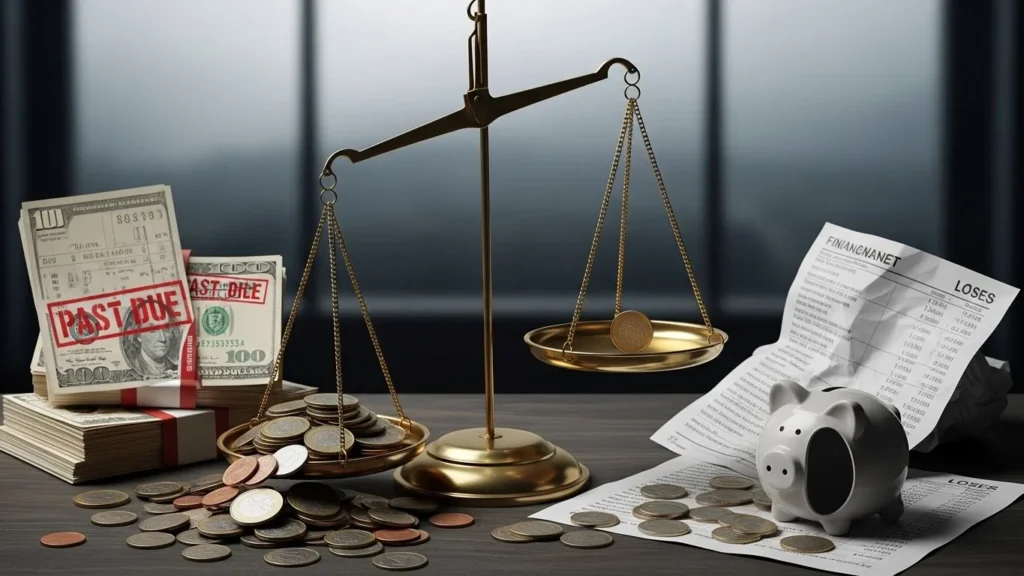

What Does “Insolvency” Mean in Chat or Text?
Insolvency means not being able to pay debts when they are due.
Simple definition:
Insolvency is when a person or business does not have enough money to pay what they owe.
In everyday chat or text, insolvency usually refers to:
Serious financial trouble
Too much debt
Businesses failing financially
Legal or formal money problems
Unlike casual words like “broke,” insolvency has a formal and legal meaning.
Short Origin & Background
The word insolvency comes from Latin insolventia, meaning “unable to pay.” Over time, it became a key legal and financial term used worldwide.
How People Use “Insolvency Meaning” in Real Conversations
Insolvency isn’t casual slang—it’s usually used in serious discussions.
Common Places You’ll See “Insolvency”
News & media: Company failures or economic issues
Business discussions: Financial health of firms
Legal documents: Debt and court proceedings
Online forums: Finance, startups, and investments
Professional chat: Accountants, lawyers, and advisors
Natural vs Awkward Use
Natural use:
Talking about debt, finance, or business collapse
Legal or professional discussions
Awkward use:
Using it jokingly or casually
Confusing it with temporary money stress
Insolvency implies serious financial inability, not just being short on cash.
Real-Life Examples of “Insolvency” in Text Messages
Here are realistic examples showing how insolvency is actually used:
Example 1: Business News
“The company filed for insolvency after years of losses.”
This means the business couldn’t pay its debts.
Example 2: Professional Chat
“Rising costs pushed the firm toward insolvency.”
This shows long-term financial trouble.
Example 3: Online Discussion
“Many small businesses face insolvency during economic downturns.”
A general financial observation.
Example 4: Legal Context
“Insolvency proceedings were started last month.”
Refers to formal legal action.
Common Mistakes & Misunderstandings
Insolvency is often misunderstood or misused.
Common Errors
Confusing insolvency with bankruptcy
Insolvency is the financial condition; bankruptcy is a legal process.Using it like ‘broke’
Insolvency is serious and ongoing, not temporary.Thinking only companies can be insolvent
Individuals can also face insolvency.Assuming insolvency is illegal
It’s a financial state, not a crime.
Insolvency vs Bankruptcy (Simple Explanation)
This is one of the most confusing parts for beginners.
Insolvency:
You can’t pay your debts.Bankruptcy:
A legal process used to deal with insolvency.
Not all insolvent people or companies declare bankruptcy, but most bankruptcies start because of insolvency.
Related Words & Similar Meanings
These words are often connected to insolvency:
Debt: Money owed
Bankruptcy: Legal process after insolvency
Liquidation: Selling assets to pay debts
Default: Failure to repay debt
Financial distress: Early stage of insolvency
These terms help build a clearer picture of financial health.