

What Small Pupils Mean in Simple Words
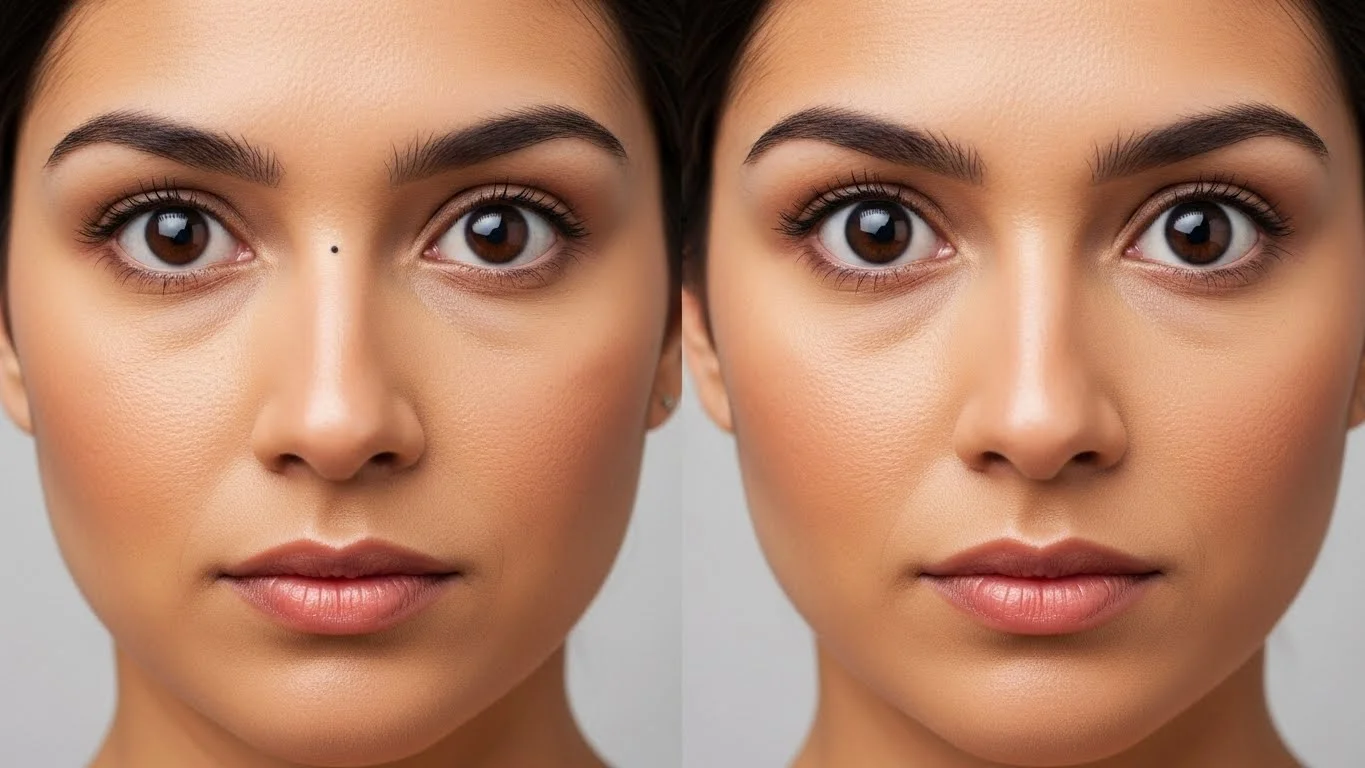
Small pupils mean that the dark center of the eye appears reduced in size. This usually happens when the eye limits how much light enters. In many cases, this is a normal and automatic response.
Basic Definition of Small Pupils
The small pupils meaning refers to pupils that are narrower than usual, often due to light exposure, body reactions, or certain conditions. It describes appearance, not a diagnosis on its own.
Small Pupils Meaning in Daily Life
In daily life, people often notice small pupils when someone steps into bright light. The eyes automatically adjust to protect vision, causing the pupils to shrink.
Small Pupils Meaning in Bright Light
Bright environments naturally cause pupils to become smaller. This helps reduce glare and sharpens focus. This response is normal and healthy.
Small Pupils Meaning in Dark vs Light Settings
Pupil size changes depending on surroundings. In bright settings, pupils become smaller. In darker environments, pupils expand. This constant adjustment supports clear vision.
Small Pupils Meaning in Eye Function
Small pupils are part of the eye’s protective and focusing system. They control how much light reaches the retina, helping maintain visual clarity and comfort.
Small Pupils Meaning in Medical Context
In medical discussions, small pupils may be observed during eye exams or health evaluations. Doctors look at pupil size to understand how the nervous system is responding.
Small Pupils Meaning in Nervous System Response
The nervous system controls pupil size. Small pupils can reflect automatic nerve signals, showing how the body reacts to light, stress, or relaxation.
Small Pupils Meaning in Emotional States
Emotions can affect pupil size. Calm or relaxed states may result in smaller pupils, while excitement or fear may cause pupils to widen.
Small Pupils Meaning in Fatigue or Rest
When the body is tired or relaxed, pupils may appear smaller. This is often temporary and changes with alertness.
Small Pupils Meaning in Aging
As people age, pupils may naturally become slightly smaller over time. This is a normal change and usually not a cause for concern.
Small Pupils Meaning in Eye Health Observations
Eye specialists observe pupil size to assess overall eye responsiveness. Small pupils alone do not indicate a problem unless paired with other symptoms.
Small Pupils Meaning in Everyday Observations
People may casually comment on small pupils when noticing facial expressions or eye appearance. In most cases, this observation is harmless.
Small Pupils Meaning Compared to Large Pupils
Small pupils restrict light entry, while large pupils allow more light. Both are natural reactions depending on environment, mood, and body signals.
Common Misunderstandings About Small Pupils
Many believe small pupils always signal a health issue. In reality, small pupils are often normal and simply reflect light conditions or natural body responses.
When Small Pupils Are Temporary
Temporary small pupils often occur due to lighting, relaxation, or visual focus. They usually change quickly without any intervention.
When Context Matters With Small Pupils
Context is important. Lighting, emotions, and environment all affect pupil size. Observing small pupils without context can lead to confusion.
How Small Pupils Are Described in Language
In writing or speech, small pupils are described as narrowed, constricted, or reduced. These terms all refer to the same visual observation.
Why Understanding Small Pupils Meaning Is Useful
Understanding the small pupils meaning helps people avoid unnecessary worry, recognize normal eye behavior, and communicate observations clearly.
How Meaning Changes Based on Situation
The meaning of small pupils shifts based on situation. In bright light, it signals normal adjustment. In calm states, it reflects relaxation. Context shapes interpretation.