
What Does Hypoallergenic Meaning?
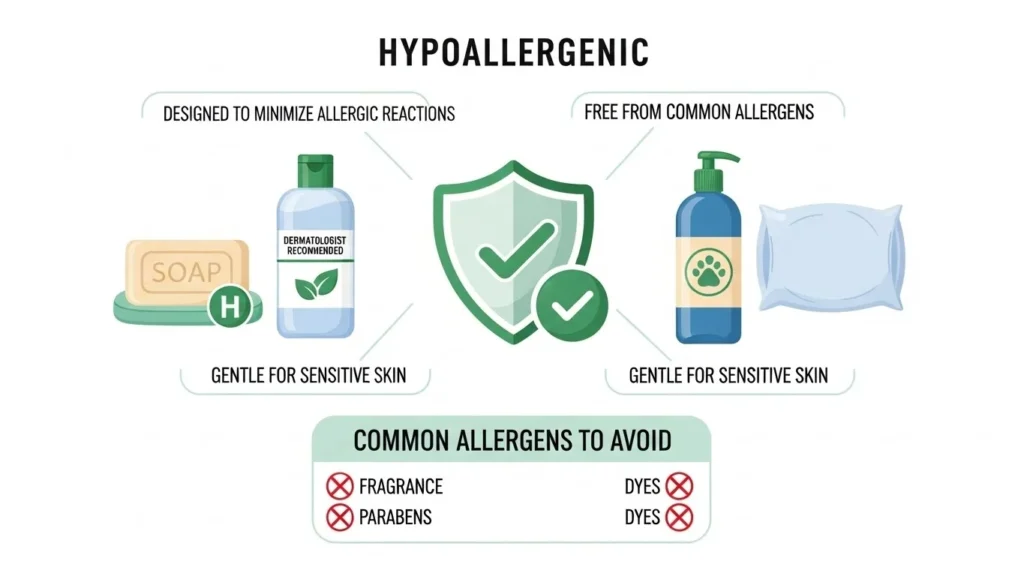
Hypoallergenic refers to products or materials that are less likely to cause allergic reactions. It does not guarantee zero allergy risk, but it reduces the likelihood of irritation for most people.
Origin of the Term
The word comes from:
“Hypo” – meaning less
“Allergenic” – causing allergic reactions
The term was first used in medical and cosmetic contexts to indicate safer options for sensitive individuals.
Hypoallergenic in Daily Life
Skincare: Lotions, creams, and makeup formulated for sensitive skin
Jewelry: Metals like sterling silver or titanium that reduce skin irritation
Bedding: Pillows and sheets designed to resist dust mites and allergens
Pets: Breeds considered less likely to trigger allergies
How Products Are Labeled Hypoallergenic
Often tested to reduce common allergens
Free from fragrances, harsh chemicals, or nickel
May undergo dermatological testing
Note: No universal standard guarantees safety for everyone
Hypoallergenic Jewelry
Metals commonly used: titanium, platinum, surgical steel, sterling silver
Avoid nickel or cheap alloys that can trigger rashes
Coatings like rhodium enhance hypoallergenic properties
Hypoallergenic Skincare Products
Fragrance-free lotions and cleansers
Free from harsh preservatives like parabens
Tested for sensitive or reactive skin
Designed to minimize irritation and redness
Hypoallergenic Makeup
Foundations, eyeshadows, and blushes formulated for sensitive skin
Avoid ingredients like carmine, fragrance, or certain dyes
Often labeled dermatologist-tested or clinically tested
Hypoallergenic Bedding and Home Products
Dust mite-resistant pillows and mattresses
Hypoallergenic laundry detergents
Materials like cotton or bamboo that minimize irritation
Common Misunderstandings
Not allergy-proof: “Hypoallergenic” reduces risk but doesn’t guarantee zero reactions
Varies by person: Different people may react differently to the same product
Marketing term: Some brands use it loosely without thorough testing
Hypoallergenic Pets
Some dog or cat breeds produce less dander, but no pet is completely allergy-free
Regular grooming and cleaning reduce allergens in the home
Why Hypoallergenic Products Are Important
Prevent rashes, itching, or skin irritation
Reduce allergic reactions in sensitive individuals
Improve comfort and safety in daily life
How to Choose Hypoallergenic Products
Look for reputable brands
Check for ingredient lists and allergens
Patch test on a small skin area before full use
Consult a dermatologist if you have severe sensitivities
Hypoallergenic vs Allergy-Free
Hypoallergenic: Less likely to cause reactions, safer for most people
Allergy-free: Implies no potential allergens, rarely guaranteed
Hypoallergenic in Cosmetics
Often marked as “sensitive skin”
Free from harsh chemicals, fragrances, and dyes
Recommended for daily wear without irritation
Hypoallergenic Jewelry Care
Avoid exposure to water, sweat, and chemicals
Store separately to prevent tarnishing
Clean gently with a soft cloth
Benefits of Hypoallergenic Products
Safer for sensitive individuals
Reduces itching, redness, and irritation
Often higher quality materials
Limitations
Not a 100% guarantee against allergic reactions
Individual sensitivities may vary
Testing and observation are still important